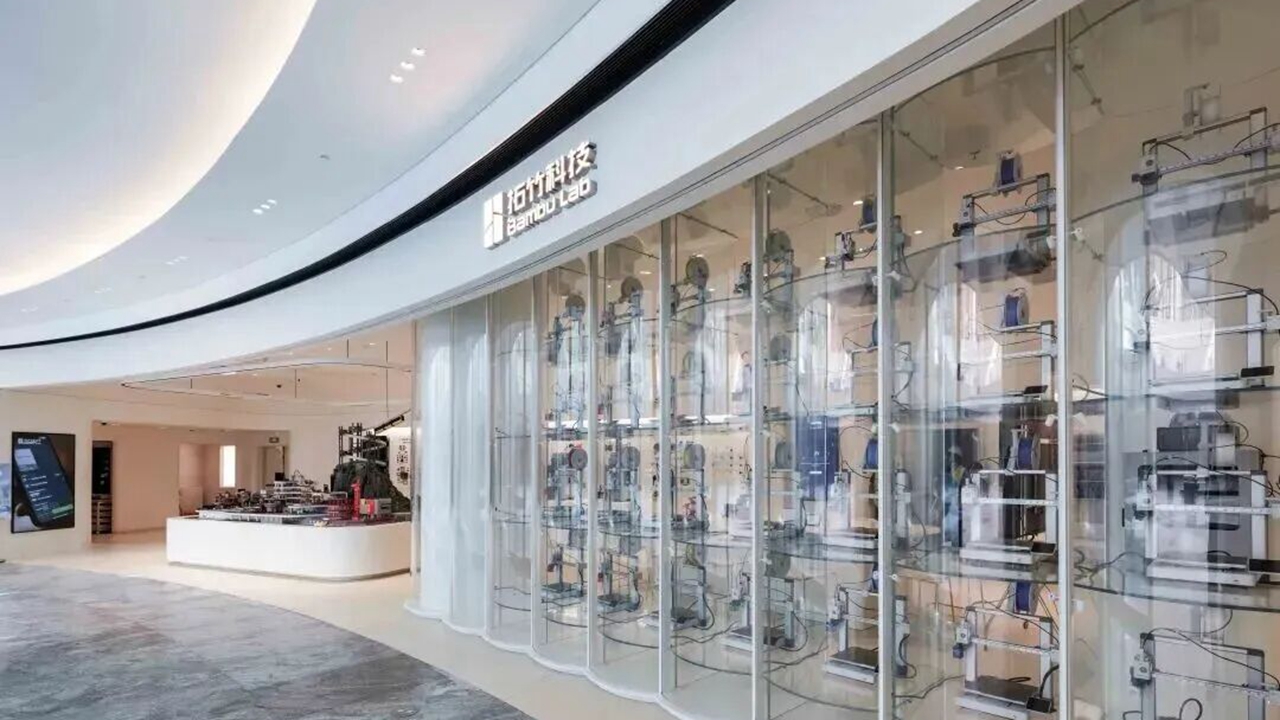
Bambu Lab: construction advances on a planned 3-million-printer Shenzhen hub
Bambu Lab is taking a major step toward building one of the world's largest 3D printer manufacturing bases. Its planned “3D Printing Intelligent Manufacturing Headquarters Base” in Shenzhen's Guangming District has moved into site-preparation and construction-access work. The complex is designed for an annual capacity of more than 3 million 3D printers and will combine manufacturing with research and development, component production and materials-related activities.
More Than 3 Million Printers per Year
Bambu Lab's planned Shenzhen facility is designed for an annual production capacity of more than 3 million 3D printers. This is a planned manufacturing capacity rather than the company's current annual output, but it illustrates the scale at which Bambu Lab is planning to expand its manufacturing infrastructure.
The project is being developed by Shenzhen Zhuhe Technology Co., Ltd., a wholly owned Bambu Lab subsidiary, in Shenzhen's Guangming District. Local authorities refer to the development as the “3D Printing Intelligent Manufacturing Headquarters Base”.
An 83,591 m² Site and a 376,000 m² Complex
On June 29, Shenzhen Zhuhe Technology acquired industrial plot A609-0275 for RMB 141.2 million. The site covers approximately 83,591 square metres, while the planned complex has a total construction area of around 376,158 square metres.
This scale indicates that the project is far more than a conventional printer assembly plant. The development is planned as a multifunctional manufacturing and R&D campus.
Planned facilities include
- approximately 281,000 m² of manufacturing space;
- approximately 36,000 m² of office and R&D facilities;
- approximately 56,000 m² of dormitories, dining and supporting infrastructure.
According to the project's planning information, manufacturing facilities will account for more than 75 percent of the development.
More Than a Printer Assembly Plant
One of the most significant aspects of the project is that Bambu Lab does not intend to use the site solely for assembling finished printers.
The complex is planned to support research and development, production of key components, development and testing of printing materials, and manufacturing of complete 3D printing systems.
This points toward a more vertically integrated manufacturing model in which product development, component production, materials technology and final printer manufacturing can be brought together within the same industrial ecosystem.
RMB 4.5 Billion in Annual Industrial Output
Project information released by the Guangming District government indicates that once fully operational, the complex is expected to achieve an average annual industrial output value of at least RMB 4.5 billion over the following five-year period.
The figure also highlights the project's importance to the local economy. The development is intended not only to expand Bambu Lab's own manufacturing capacity, but also to strengthen Shenzhen's broader advanced-manufacturing and 3D-printing ecosystem.
Site Preparation Moves Forward
The project took another concrete step forward in September 2026. On September 18, the Guangming District government published a notice concerning an application by Shenzhen Zhuhe Technology to establish a temporary construction entrance.
The application involved the temporary occupation of 75.25 square metres of urban green space and the relocation of five roadside trees. The site is located near the intersection of Tongguan Road and Chengde Road in the Yutang area.
The significance of the filing is that the project is moving beyond the land-acquisition and planning stages: site access and construction logistics are now being arranged.
Earlier administrative notices in April also dealt with the clearing and levelling of the site. The September construction-access application is therefore another step in a longer site-preparation process.
Interim Production Is Already Underway
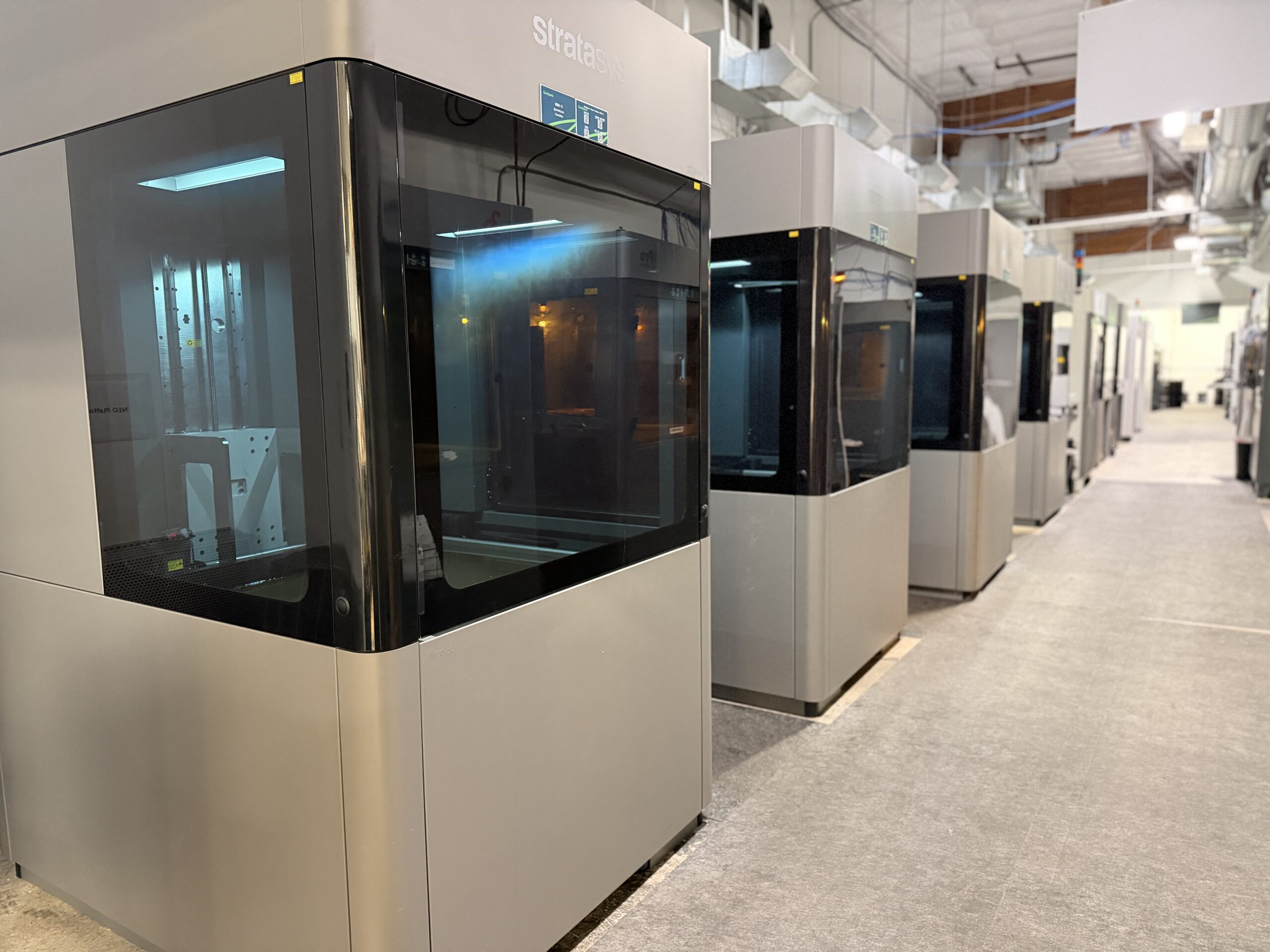
Until the permanent campus is completed, Bambu Lab is not relying solely on its existing rented manufacturing infrastructure. Temporary production lines have already begun operating at Minghu Zhigu Industrial Park in Guangming.
This arrangement allows the company to expand production capacity while the permanent manufacturing headquarters is being prepared and constructed.
What Does a 3 Million-Unit Capacity Mean?
An annual capacity of more than 3 million printers represents an unusually large scale for the 3D printing industry. It is important to emphasize, however, that this is planned manufacturing capacity and does not mean that Bambu Lab will immediately manufacture or sell three million printers every year.
The size of the project nevertheless indicates that the company is planning for significant long-term volumes across consumer and professional 3D printing.
The Shenzhen development also fits into the city's broader hardware-manufacturing ecosystem. Shenzhen is already a major Chinese centre for consumer electronics, robotics and advanced manufacturing, while also playing a significant role in global 3D printer production.
Bambu Lab's Next Industrial Scale
The “3D Printing Intelligent Manufacturing Headquarters Base” is therefore more than simply another factory. The planned facility will be a 376,000-square-metre industrial complex combining manufacturing, research and development, and supporting infrastructure.
If the project proceeds according to plan, Bambu Lab will substantially increase its manufacturing capacity while bringing product development, component production and materials-related activities closer together within the same industrial centre.
The next major milestone will therefore be the transition from site preparation to the construction and gradual commissioning of the new manufacturing infrastructure.