3D Print Rig: Open-Source Browser Configurator for DIY Printers
3D Print Rig brings PC-style component selection to DIY printers with a browser-based 3D preview. Users can compare toolheads and mechanical options, but physical compatibility still needs verification.
A PC builder for 3D printers
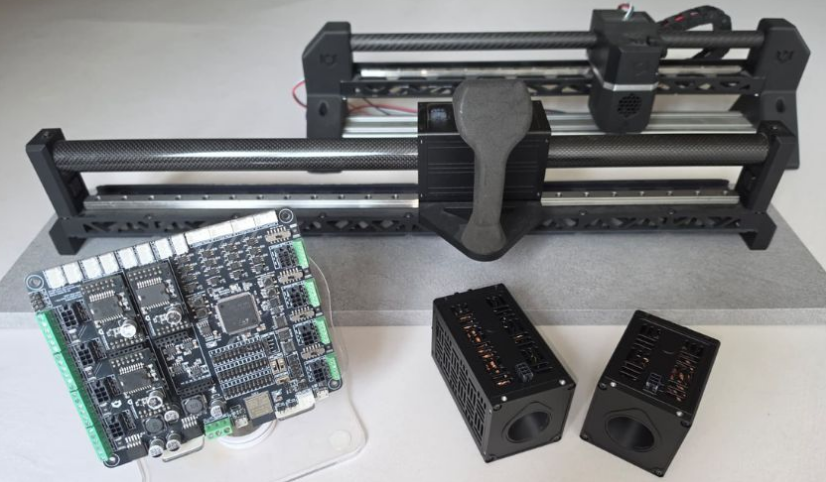
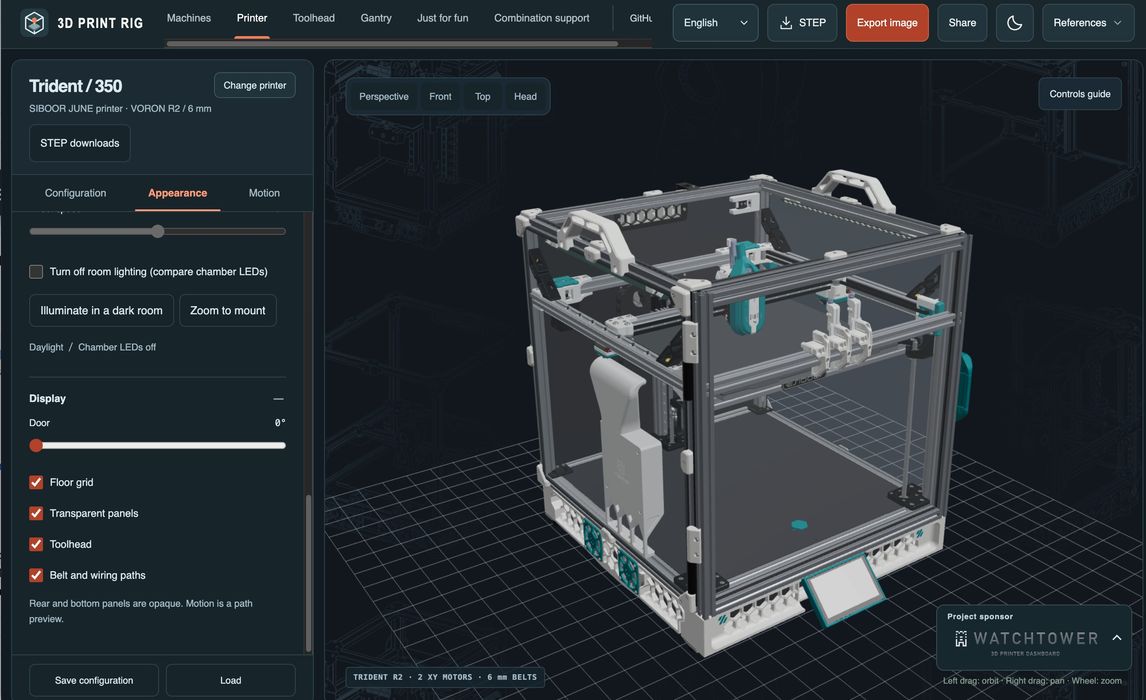
3D Print Rig, covered on October 21, lets users choose a supported DIY printer and swap toolheads, hotends, extruders, probes and other components in a browser-based 3D view. Color controls and motion previews help communicate a proposed machine configuration.
Saving and sharing
Configurations can be shared by link, exported as images or saved as JSON. STEP files are available for selected standard assemblies. The source code is hosted on GitHub, with a public demo for trying the interface.
A preview is not a fit check
The developers stress that the viewer is not a mechanical validator. Two parts appearing together in 3D does not guarantee clearance, full axis travel or compatible mounting. Its immediate value is in comparing concepts and communicating DIY printer builds before detailed CAD verification.