Lead-Filled Ender 3: Building the World's Fastest Ender 3
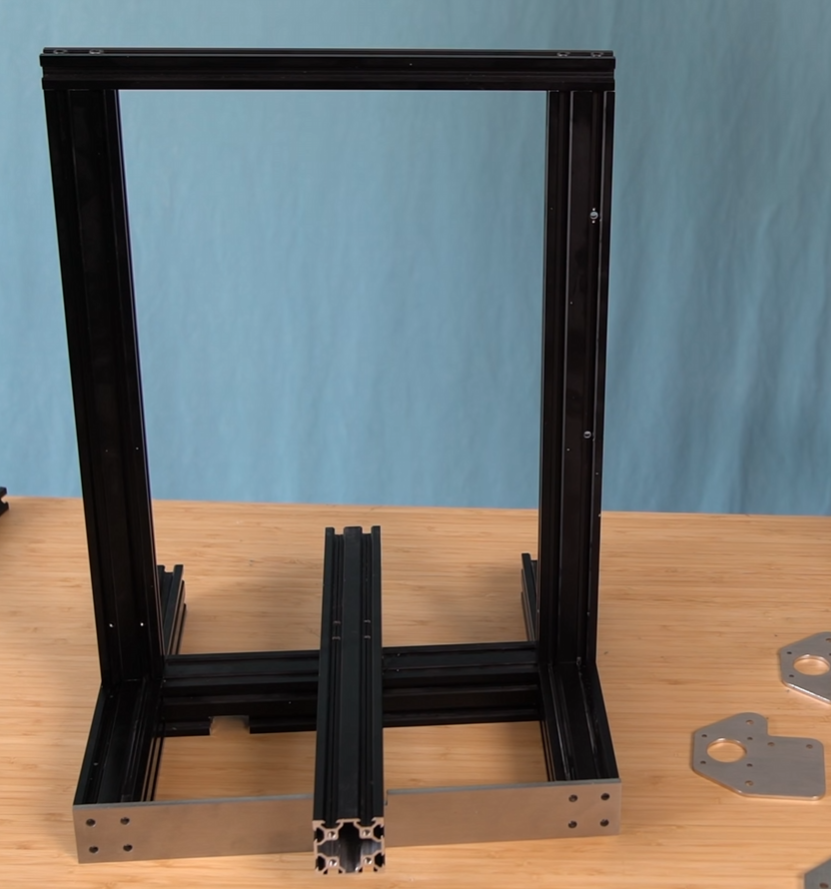
In Part 2 of the project, the Ender 3 keeps the same external dimensions and build volume. Its hollow aluminum frame extrusions are filled with about 4.5 kg (10 lb) of lead and reinforced to improve stability for extreme-speed printing.
This is not a larger Ender 3 build, and the printer's external dimensions do not change. The video is Part 2 of a project aiming to build the “world's fastest Ender 3”, and this installment focuses on increasing the mass and rigidity of the existing frame so the printer can remain more stable under extreme acceleration.
About 4.5 kg of lead goes into the frame
One of the project's unusual modifications is filling the printer's hollow aluminum frame extrusions with lead. According to the video description, this adds roughly 10 lb, or about 4.5 kg, to the structure.
The goal is not to make the printer physically larger, but to increase stability and reduce vibration. At very high printing speeds, rapid direction changes of the toolhead and bed transfer significant reaction forces into the frame, so the extra mass increases the inertia of the whole machine.
External size and build volume stay the same
The frame is not being replaced with longer or larger extrusions. The existing hollow profiles are used, which means:
- external dimensions do not increase;
- build volume does not change;
- the basic Ender 3 frame geometry remains;
- the main changes are mass and rigidity.
Lead is only part of the frame work
The video description also mentions laser-cut bracing and larger commercially sourced frame braces. Added mass and added stiffness address different aspects of the problem: one can reduce whole-machine movement and vibration, while the other limits relative motion between extrusions and elastic frame deformation.
Why this matters on an extreme-speed Ender 3
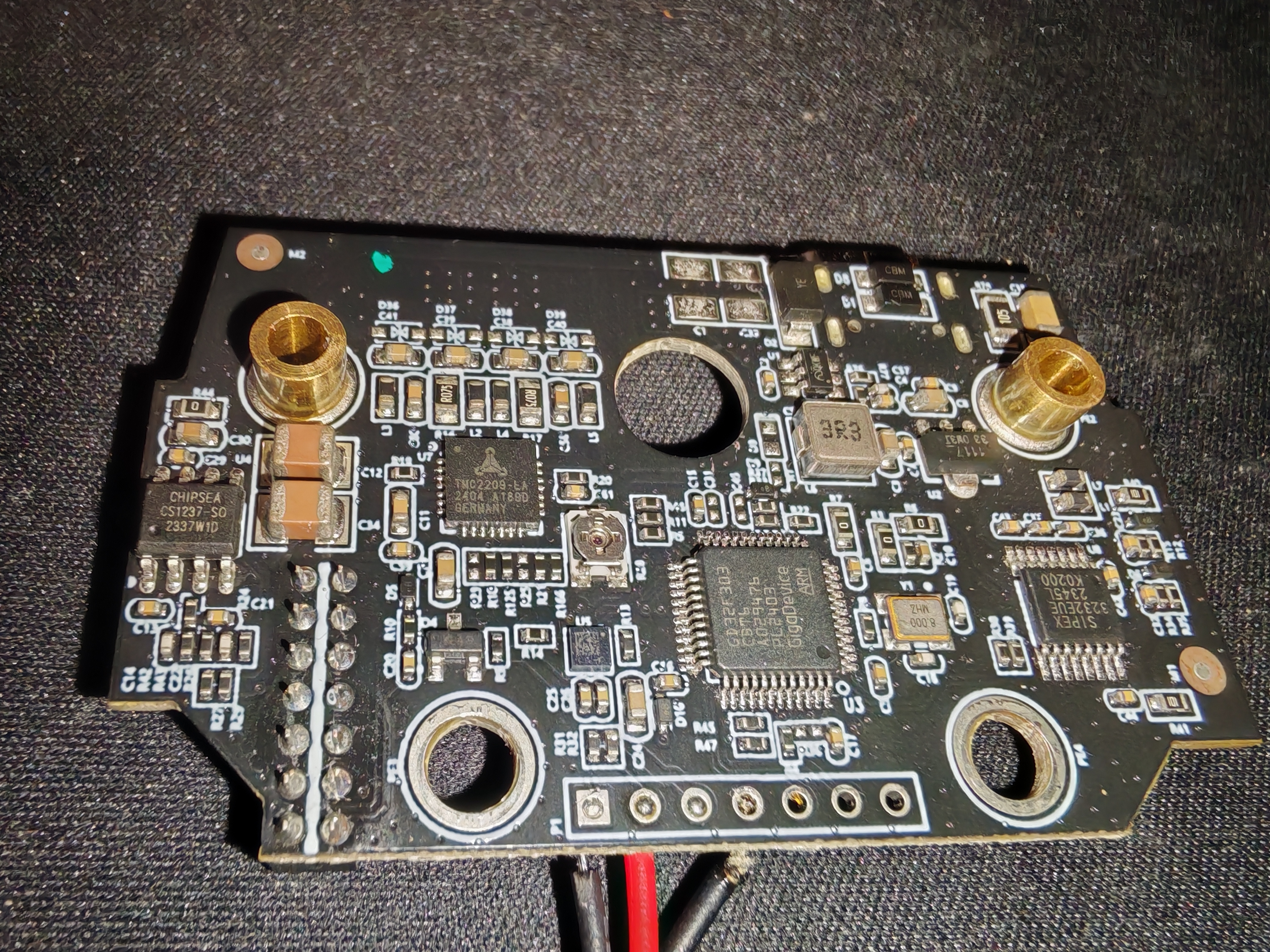
At very high acceleration, stronger motors, faster electronics and a lighter toolhead are not enough. The entire printer behaves as a mechanical system, and the forces generated by the motion system close through the frame.
If the structure resonates, the result can include:
- ringing and ghosting;
- increased noise;
- reduced positioning accuracy;
- less repeatable behavior at high acceleration;
- more difficult input-shaper tuning.
One of the interesting lessons of the project is that building the “world's fastest Ender 3” is not only about faster motors. Frame mass, stiffness and resonance behavior are part of the performance envelope too.
Related projects
Safety note
Lead is a toxic heavy metal. Projects involving lead require appropriate protective measures, an isolated work area, hand washing and proper disposal according to local regulations. This is an interesting engineering experiment, but not a risk-free weekend modification.
Sources
- YouTube – I’m Building the World’s Fastest Ender 3… With Lead (Part 2)
- YouTube – Part 1
- GitHub – Ender Stinger
- GitHub – Sphinx Toolhead
Cover image: video frame supplied by the user.