3DPS logo
3DPS Europe
Service and development
News

News / article

Research
← Back to news Back to homepage
ETH Zurich Uses Printed Hydrogels to Drive Muscle-Powered Robots
2026. 10. 25.
39

ETH Zurich Uses Printed Hydrogels to Drive Muscle-Powered Robots

1 min read

ETH Zurich researchers combined volumetrically printed hydrogel scaffolds with living muscle tissue to create biohybrid actuators, reporting up to elevenfold greater motion in selected comparisons.

Living muscle meets a printed scaffold

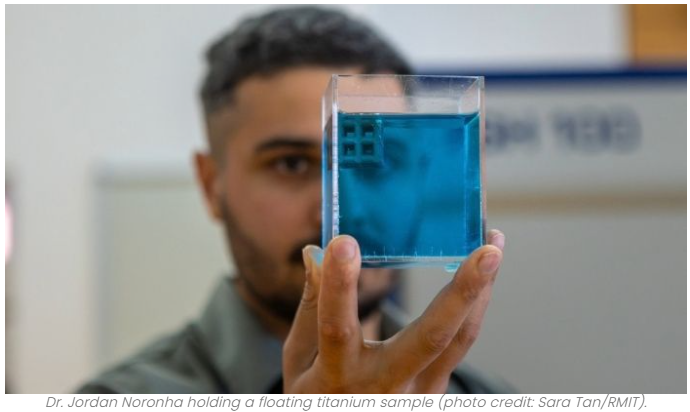
ETH Zurich researchers reported biohybrid actuators made from cultured mouse skeletal muscle tissue and flexible 3D-printed hydrogel scaffolds. The roughly 1.5 cm devices move through muscle contraction rather than a conventional motor.

Xolography and force transfer

The scaffolds were produced with light-based volumetric xolography, taking about a minute per structure. Fine grooves help anchor and align muscle fibers. The team co-optimized muscle and scaffold geometry to translate contraction into useful movement more efficiently.

Promising but still experimental

In selected comparisons, the actuators achieved up to eleven times the range of motion at similar muscle mass. Demonstrations included swimming, crawling, grasping and jumping. Long-term operation still requires nutrients, oxygen supply and biological control. This is a research platform, not a ready-to-deploy industrial robot.
Sources and further reading

Related articles
Archive

Earlier news

87 earlier article(s)
Commodore 64 Ultimate Returns: A Retro Legend, Not a 3D-Printed One
2026. 10. 01.
Technology
1 609

Commodore 64 Ultimate Returns: A Retro Legend, Not a 3D-Printed One

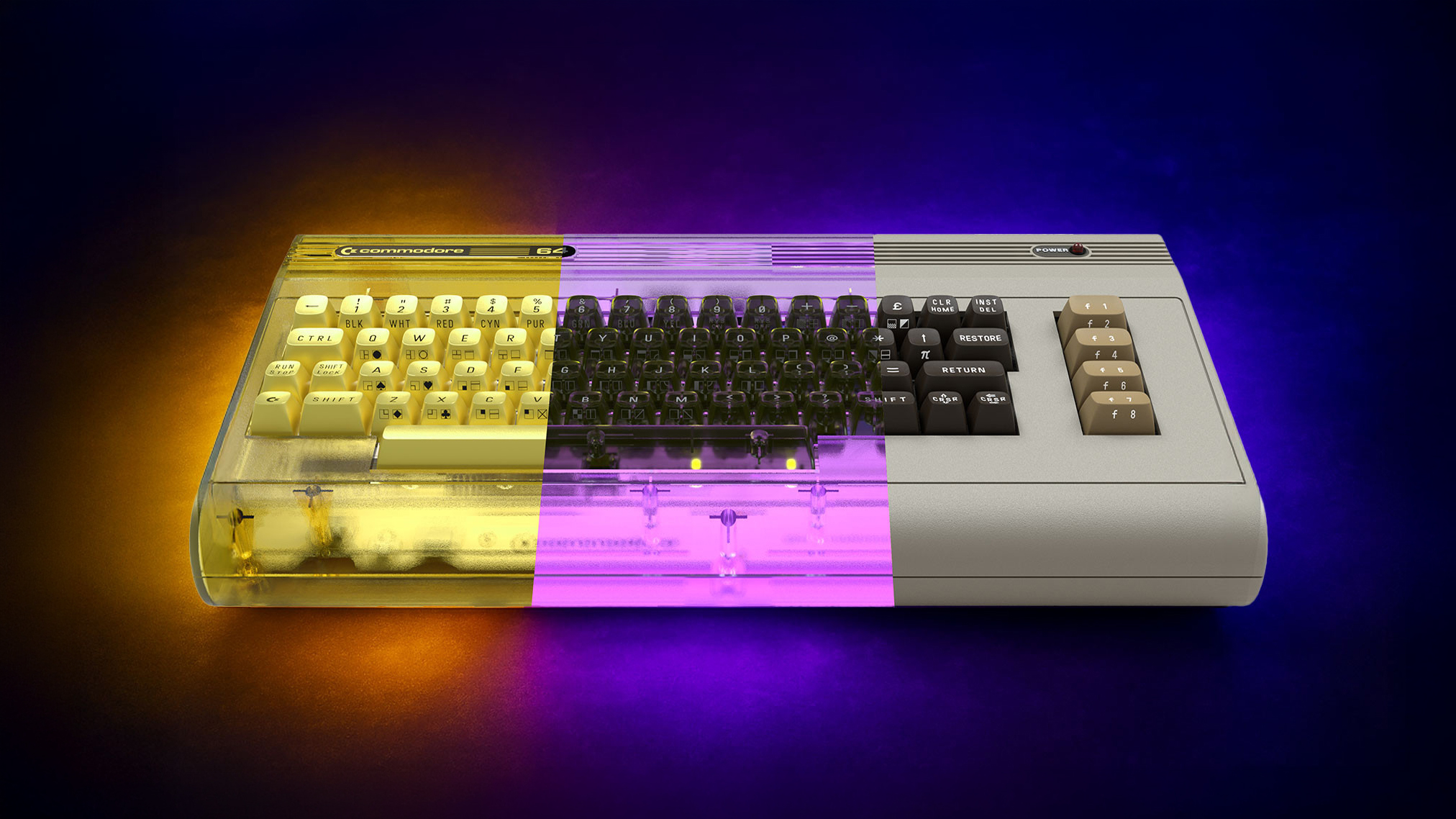
Commodore.net has officially relaunched its legendary home computer as the Commodore 64 Ultimate, rebuilding the classic machine on modern FPGA hardware. We cover it here as a curiosity: it has no direct 3D printing angle, since the case is produced with classic injection molding using the original 1986 tooling, not 3D printing.

LLNL: AI detects defects during 3D printing
2026. 10. 01.
Software / AI
1 046

LLNL: AI detects defects during 3D printing

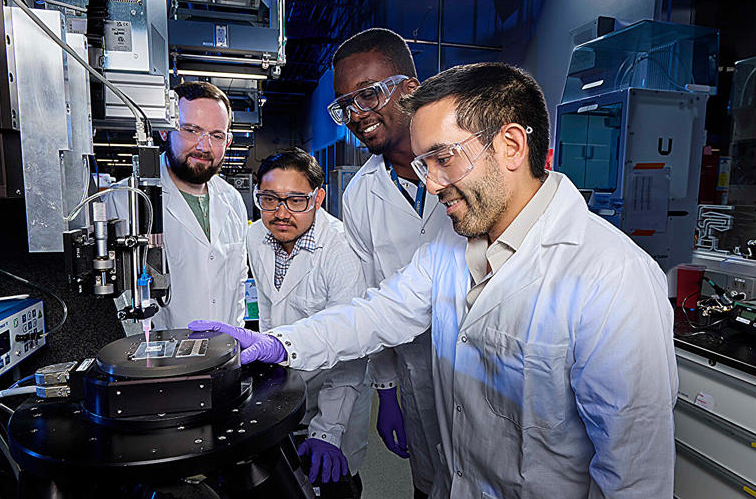
Lawrence Livermore National Laboratory is using camera-based AI inspection to analyze direct ink writing layer by layer and detect defects during the build.

Flashforge CJ270: Full-Color Material Jetting in a Desktop-Sized System
2026. 09. 28.
New printers
1 789

Flashforge CJ270: Full-Color Material Jetting in a Desktop-Sized System

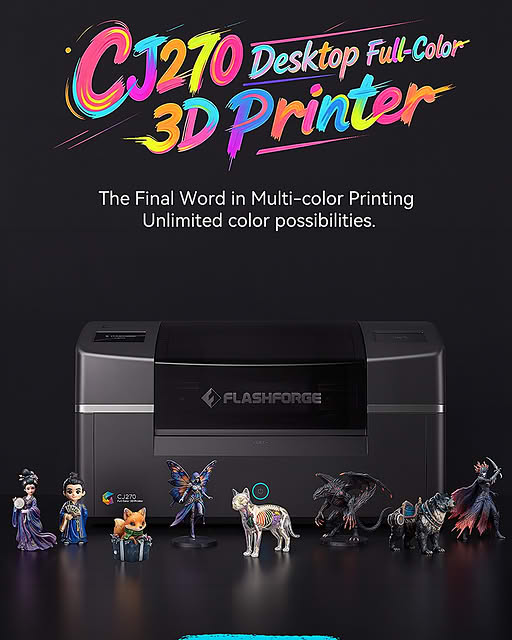
Flashforge is positioning the CJ270 as a compact desktop 3D printer designed for high-resolution color printing. According to the manufacturer, the system supports more than 10 million colors and offers a minimum layer thickness of 7 μm. Flashforge is also promoting an additional €450 early-bird benefit for early customers.

Bambu Lab: construction advances on a planned 3-million-printer Shenzhen hub
2026. 09. 28.
IP / legal news
1 197

Bambu Lab: construction advances on a planned 3-million-printer Shenzhen hub

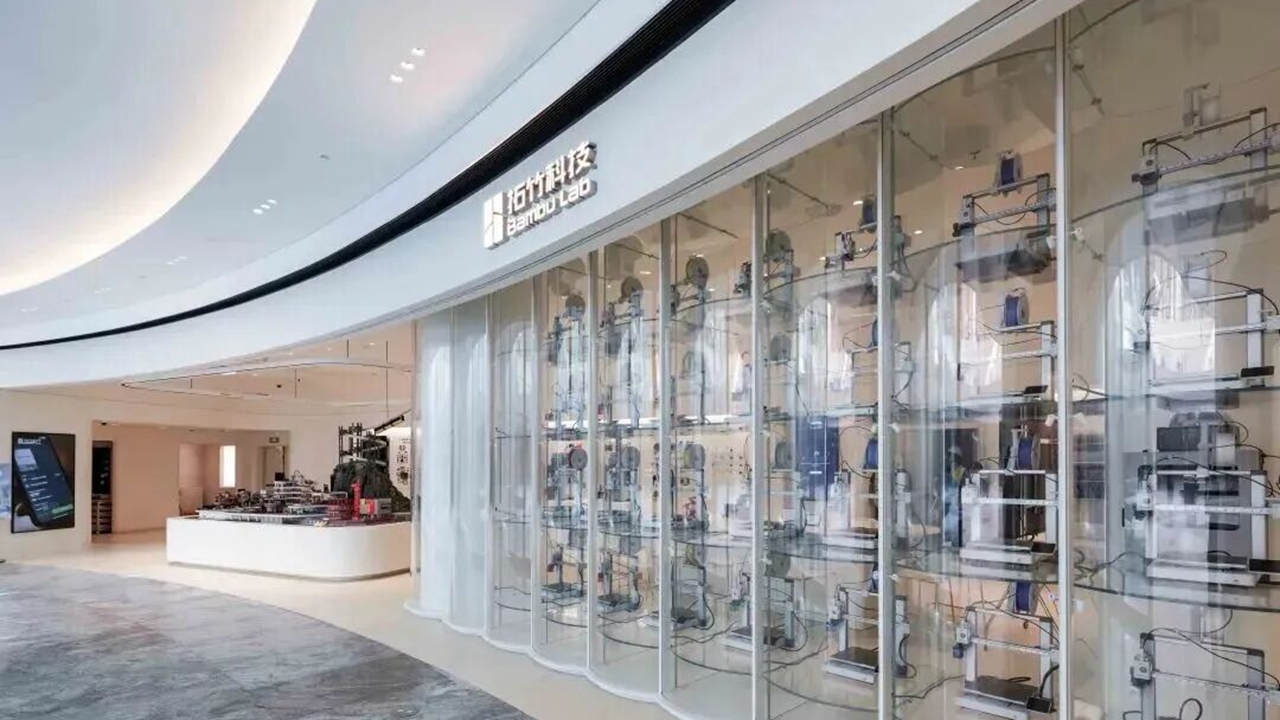
Bambu Lab is taking a major step toward building one of the world's largest 3D printer manufacturing bases. Its planned “3D Printing Intelligent Manufacturing Headquarters Base” in Shenzhen's Guangming District has moved into site-preparation and construction-access work. The complex is designed for an annual capacity of more than 3 million 3D printers and will combine manufacturing with research and development, component production and materials-related activities.