Xact Metal XM300G: Orders Open for a New Mid-Size Metal Printer
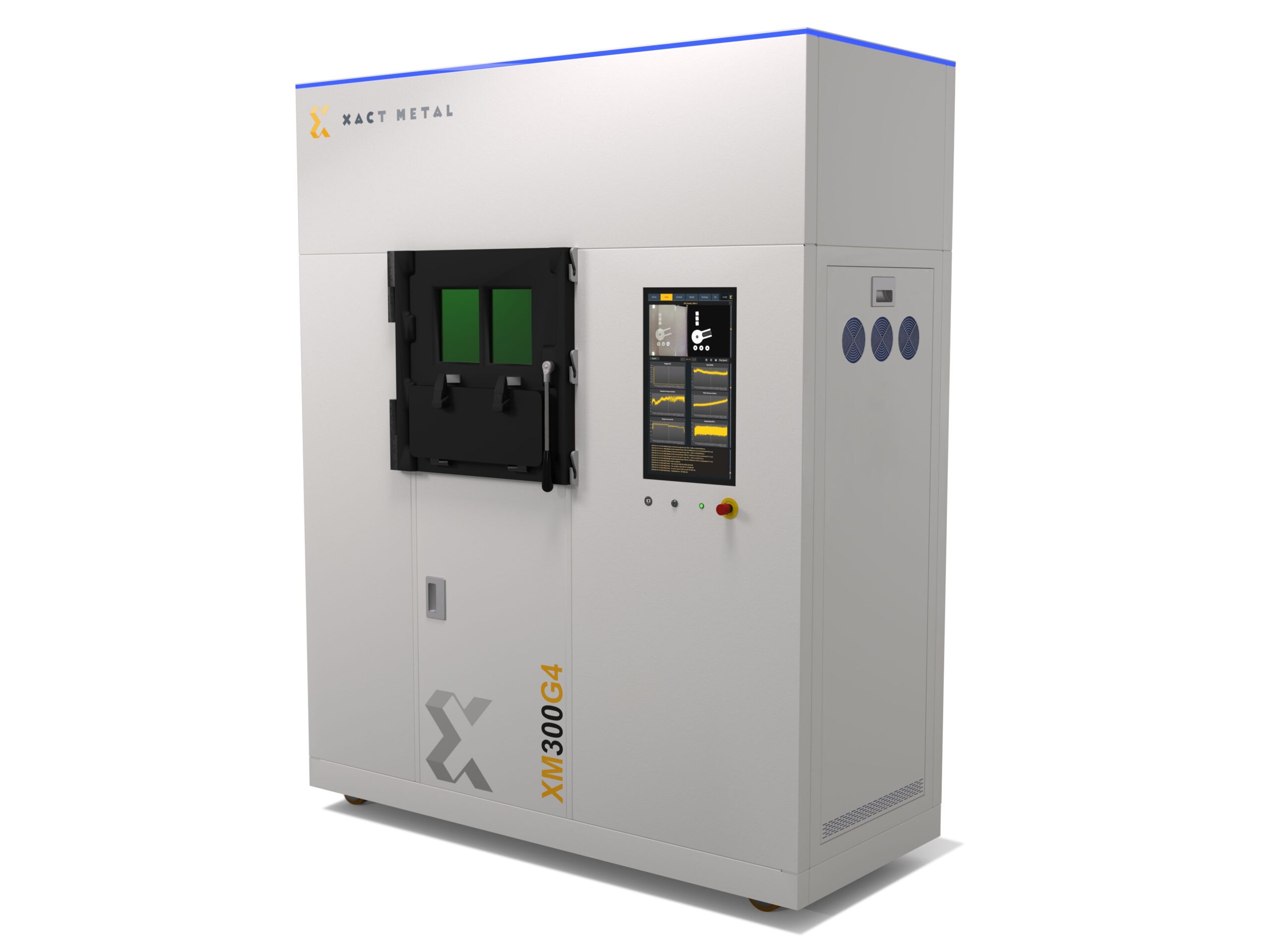
Xact Metal has opened orders for the XM300G metal printer, offering a 300 × 300 × 300 mm build volume and one or four lasers, with deliveries targeted for mid-2027.
Expanding the product range
On October 23, Xact Metal announced that it had opened orders for the XM300G. The mid-size powder-bed system sits above its smaller XM200G and fine-feature µHD offerings. The company aims to make metal additive manufacturing more accessible to small and medium-sized industrial users.
Build volume and laser choices
The XM300G provides a 300 × 300 × 300 mm build volume, with an optional 400 mm build height. Customers can choose one or four fiber lasers, with stated options of 500 or 1,000 W per laser. An interchangeable build platform could support production workflows.
Pricing is still missing
Xact Metal has not disclosed a list price, material list or build rate. Initial deliveries are targeted for mid-2027. Buyers will need to account for powder safety, inert-gas systems, post-processing and per-part economics; laser count alone does not determine throughput.