3DPS logo
3DPS Europe
Service and development
News

News / article

Life sciences
← Back to news Back to homepage
3D Printed Electronic Skin Could Give Prosthetics Pressure and Temperature Sensing
2026. 09. 14.
1 235

3D Printed Electronic Skin Could Give Prosthetics Pressure and Temperature Sensing

1 min read

Researchers at Washington State University have developed a customizable electronic skin combining 3D scanning, SLA printing, pressure and temperature sensing, and neural-network calibration.

Researchers at Washington State University have developed a customizable electronic skin combining 3D scanning, SLA printing, pressure and temperature sensing, and neural-network calibration.

What happened?

Researchers at Washington State University have developed a customizable electronic skin combining 3D scanning, SLA printing, pressure and temperature sensing, and neural-network calibration.

Key details

  • The prosthetic is digitized with structured-light 3D scanning.
  • Custom structural layers are manufactured with SLA printing.
  • The modular system combines pressure and temperature sensing.
  • The researchers report substantially higher spatial resolution than some commercial glove-based sensors.

Why it matters

The project is a strong example of how 3D printing adds value through personalized geometry and integration with electronics rather than shape-making alone.

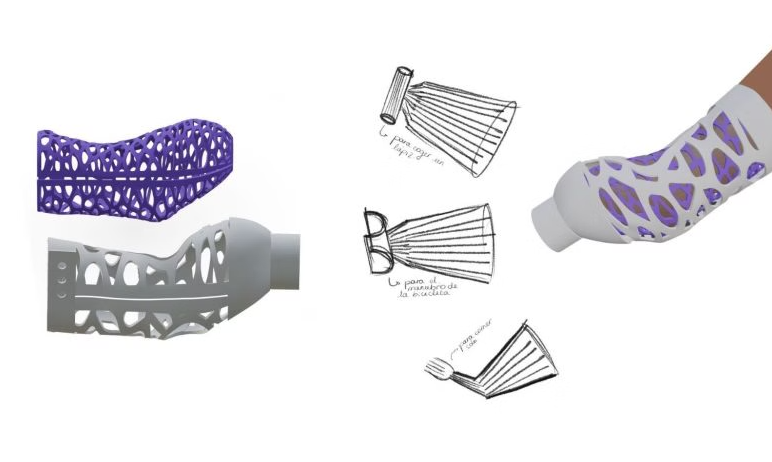
The cover image is a 3DPS-created illustration.

Source and further information

This article is a summary based on publicly available source material. Read the original here: 3DPrint.com / Washington State University.


#ElectronicSkin #ESkin #3DPrinting #Medical3DPrinting #Prosthetics #Bionics #WearableTechnology #BiomedicalEngineering #Sensors #HealthcareTechnology #Research #3DPS
Related articles
Trump T1: Made in America?! When the American Dream Arrives as a Gold-Painted HTC
2026. 10. 29.
797

Trump T1: Made in America?! When the American Dream Arrives as a Gold-Painted HTC

American manufacturing. American values. American pride. That was the story behind the Trump Mobile T1 smartphone. But when iFixit examined the device, the gold-colored exterior revealed something surprisingly familiar: hardware virtually identical to the HTC U24 Pro released in 2024. So what exactly are customers buying — American engineering or a carefully packaged political marketing message?

Archive

Earlier news

96 earlier article(s)
Commodore 64 Ultimate Returns: A Retro Legend, Not a 3D-Printed One
Technology
2 059

Commodore 64 Ultimate Returns: A Retro Legend, Not a 3D-Printed One

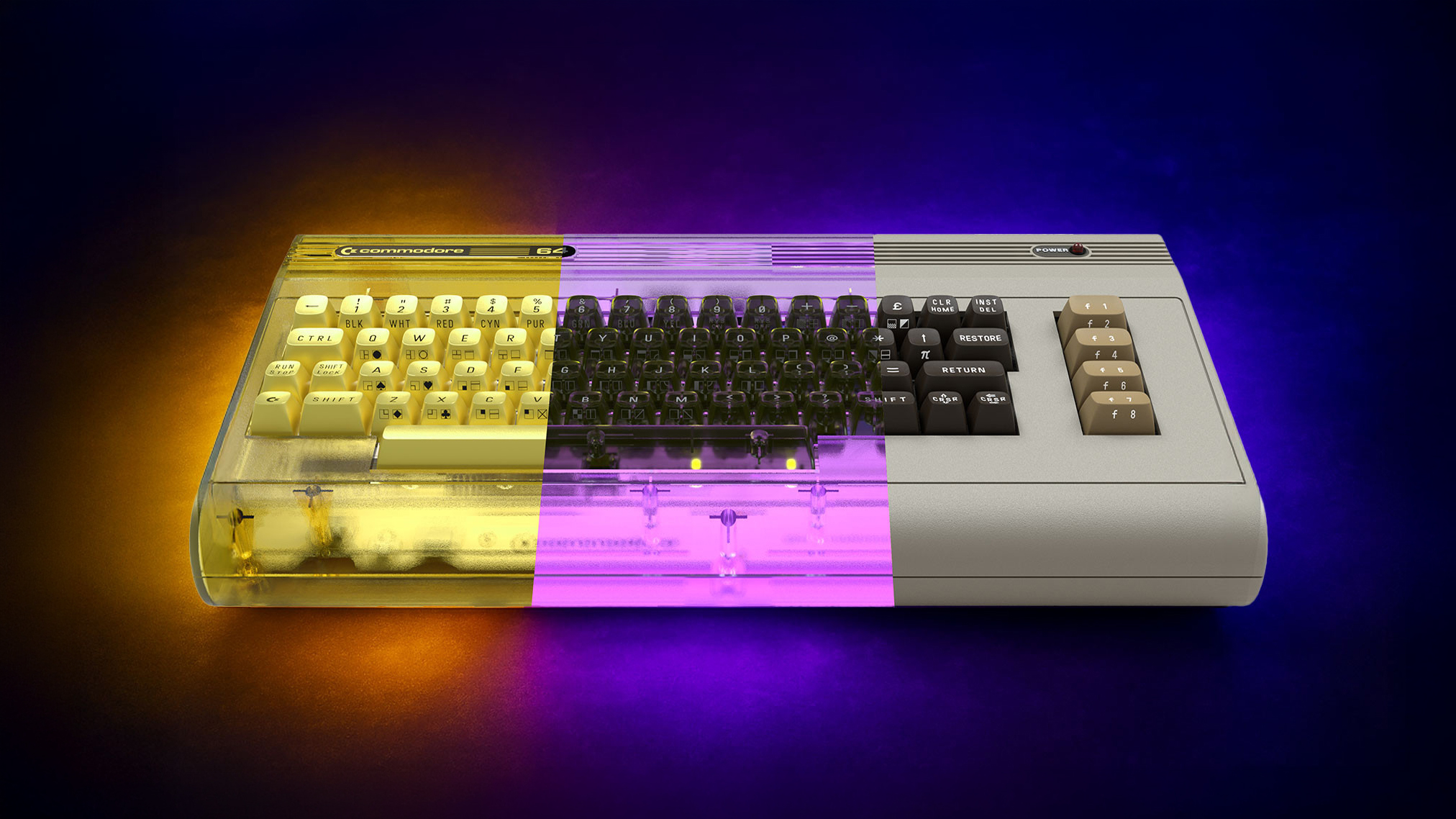
Commodore.net has officially relaunched its legendary home computer as the Commodore 64 Ultimate, rebuilding the classic machine on modern FPGA hardware. We cover it here as a curiosity: it has no direct 3D printing angle, since the case is produced with classic injection molding using the original 1986 tooling, not 3D printing.

2026. 10. 01.
Read
LLNL: AI detects defects during 3D printing
Software / AI
1 437

LLNL: AI detects defects during 3D printing

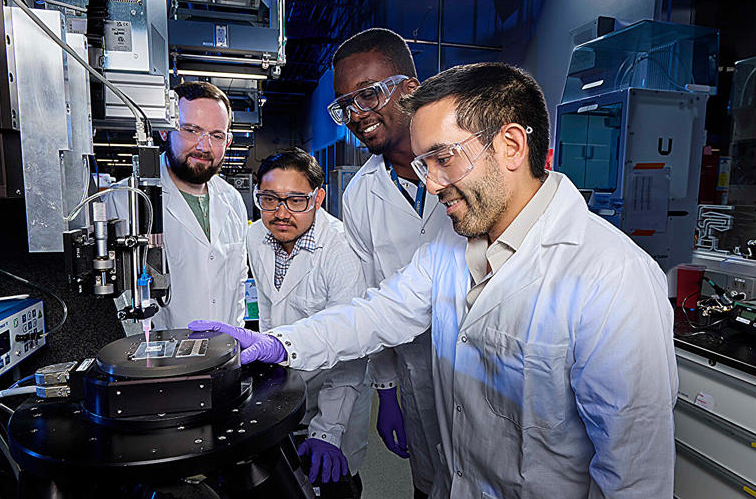
Lawrence Livermore National Laboratory is using camera-based AI inspection to analyze direct ink writing layer by layer and detect defects during the build.

2026. 10. 01.
Read
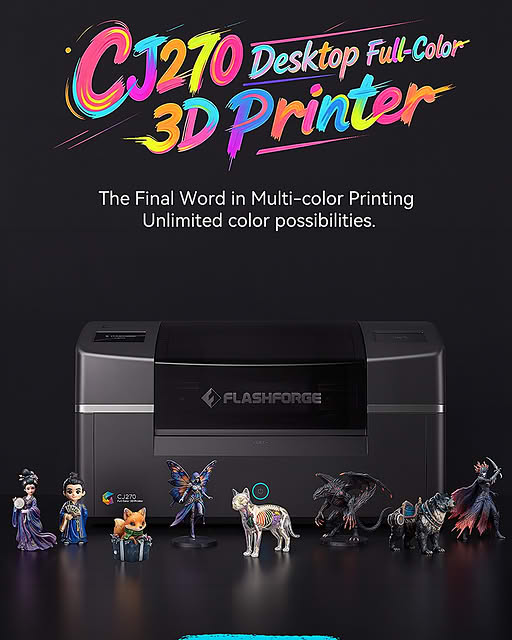
Flashforge CJ270: Full-Color Material Jetting in a Desktop-Sized System
New printers
2 212

Flashforge CJ270: Full-Color Material Jetting in a Desktop-Sized System

Flashforge is positioning the CJ270 as a compact desktop 3D printer designed for high-resolution color printing. According to the manufacturer, the system supports more than 10 million colors and offers a minimum layer thickness of 7 μm. Flashforge is also promoting an additional €450 early-bird benefit for early customers.

2026. 09. 28.
Read
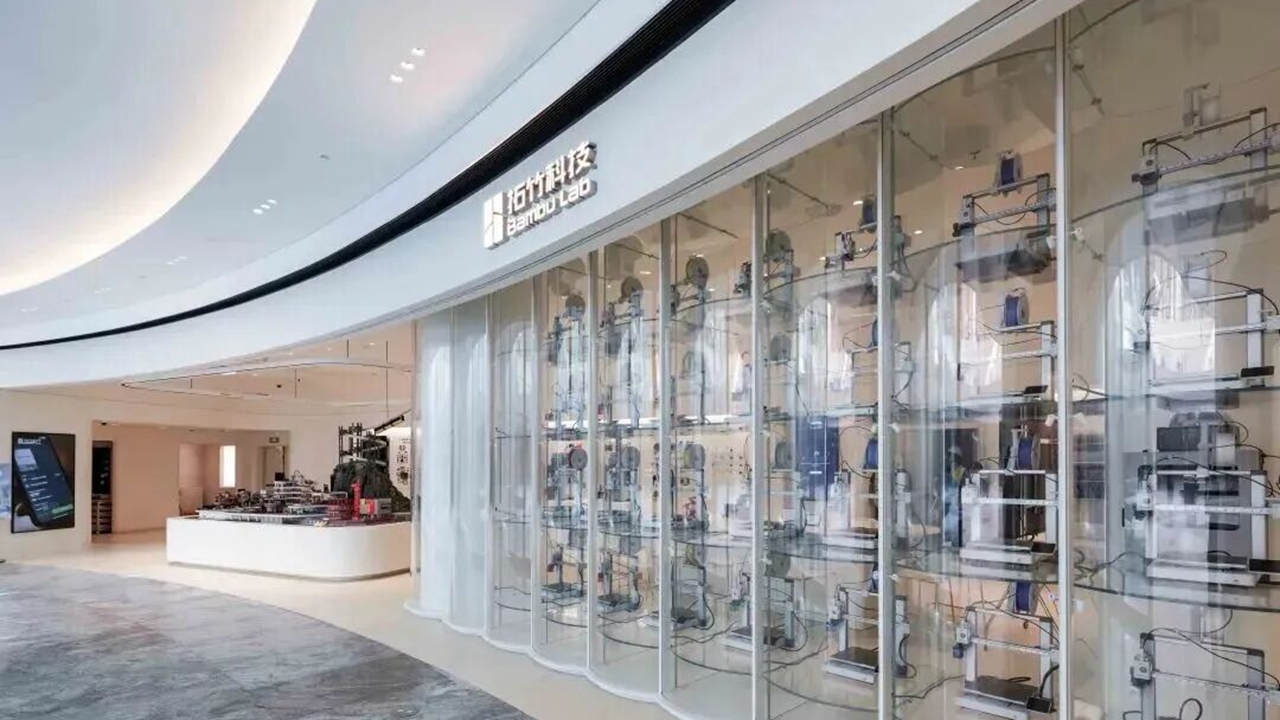
Bambu Lab: construction advances on a planned 3-million-printer Shenzhen hub
IP / legal news
1 696

Bambu Lab: construction advances on a planned 3-million-printer Shenzhen hub

Bambu Lab is taking a major step toward building one of the world's largest 3D printer manufacturing bases. Its planned “3D Printing Intelligent Manufacturing Headquarters Base” in Shenzhen's Guangming District has moved into site-preparation and construction-access work. The complex is designed for an annual capacity of more than 3 million 3D printers and will combine manufacturing with research and development, component production and materials-related activities.

2026. 09. 28.
Read