3DPS logo
3DPS Europe
Service and development
News

News / article

Software / AI
← Back to news Back to homepage
UpNano 3DAR Adds Dynamic Three-Axis Voxel Control to 2PP Printing
2026. 10. 14.
212

UpNano 3DAR Adds Dynamic Three-Axis Voxel Control to 2PP Printing

2 min read

UpNano's new 3D Adaptive Resolution technology dynamically adjusts voxel shape and size along all three spatial axes during two-photon polymerization printing, targeting high-quality micro-optics and photonics parts.

UpNano 3DAR Adds Dynamic Three-Axis Voxel Control to 2PP Printing

UpNano 3DAR Adds Dynamic Three-Axis Voxel Control to 2PP Printing

Introduction: UpNano's new 3D Adaptive Resolution technology dynamically adjusts voxel shape and size along all three spatial axes during two-photon polymerization printing, targeting high-quality micro-optics and photonics parts.

Voxel Control Beyond Simply Switching Sizes

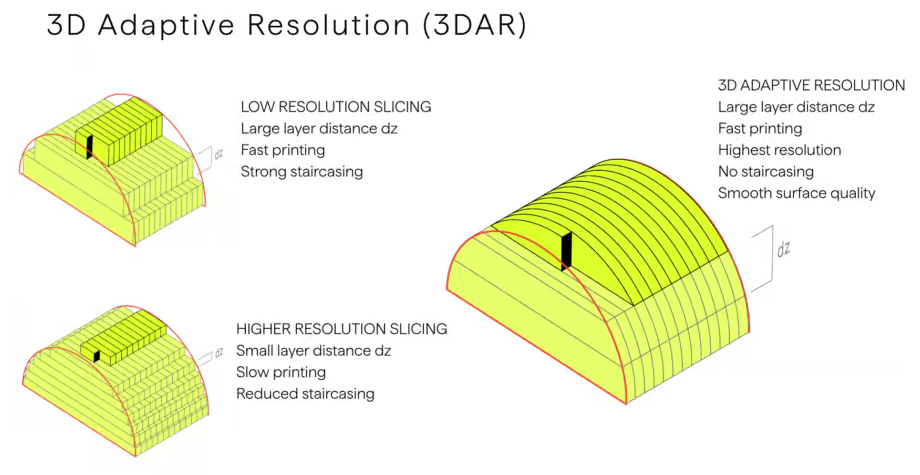
In two-photon polymerization (2PP), a focused laser locally cures a photosensitive material. Voxel dimensions affect both resolution and production speed. UpNano's earlier Adaptive Resolution approach switched between voxel sizes; its new 3DAR system dynamically adapts voxel shape and dimensions along the X, Y and Z axes to match the geometry.

Smoother Surfaces Without Automatically Sacrificing Throughput

Conventional layer-based processes approximate curved surfaces with many stacked layers. Smaller layer heights can reduce stair-stepping, but generally increase print time. 3DAR aims to reduce this trade-off by continuously adapting the voxel itself.

Manufacturer-Reported Results

UpNano reports surface roughness of Sq 3 nm and shape deviations below 20 nm. The company says a 125-micrometre spiral phase plate can be printed in under ten seconds, while a 7-micrometre aspheric microlens takes two to three seconds. These are manufacturer-reported results; broader independent comparisons would be needed to assess practical performance.

Potential Applications

The technology is aimed at micro-optics, photonics packaging and semiconductor applications, where surface geometry directly affects function.

Sources

Related articles
LLNL: AI detects defects during 3D printing
2026. 10. 01.
711

LLNL: AI detects defects during 3D printing

Lawrence Livermore National Laboratory is using camera-based AI inspection to analyze direct ink writing layer by layer and detect defects during the build.

Archive

Earlier news

72 earlier article(s)
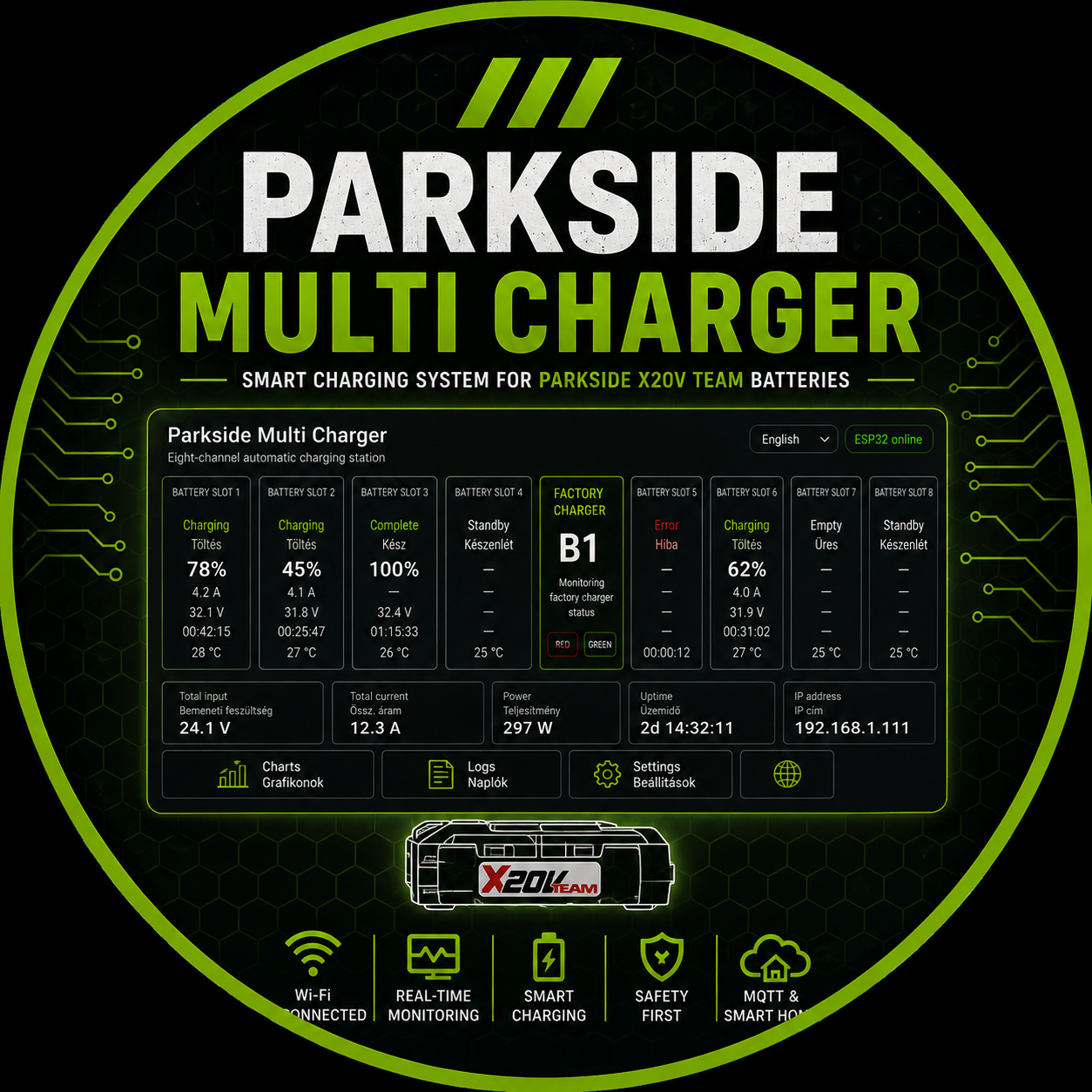
Parkside Multi Charger: Controller Architecture for the Basic and Pro Versions
2026. 08. 04.
Technology
542

Parkside Multi Charger: Controller Architecture for the Basic and Pro Versions

Parkside Multi Charger: Controller Architecture for the Basic and Pro Versions Development of the Parkside Multi Charger has entered a new stage. During the latest planning phase, several controller and power-switching architectures were compared to find a solution that keeps the Basic version easy to build while leaving enough room for the more advanced Pro model.

Parkside Multi Charger – New Development Milestone
2026. 08. 02.
Technology
388

Parkside Multi Charger – New Development Milestone

Parkside Multi Charger – New Development Milestone Development of the Parkside Multi Charger continues to make steady progress. Recent work has focused not only on hardware and software development but also on establishing the project's public identity and communication. The project currently consists of two separate development branches: Parkside Multi Charger (Normal) and Parkside Multi Charger Pro.

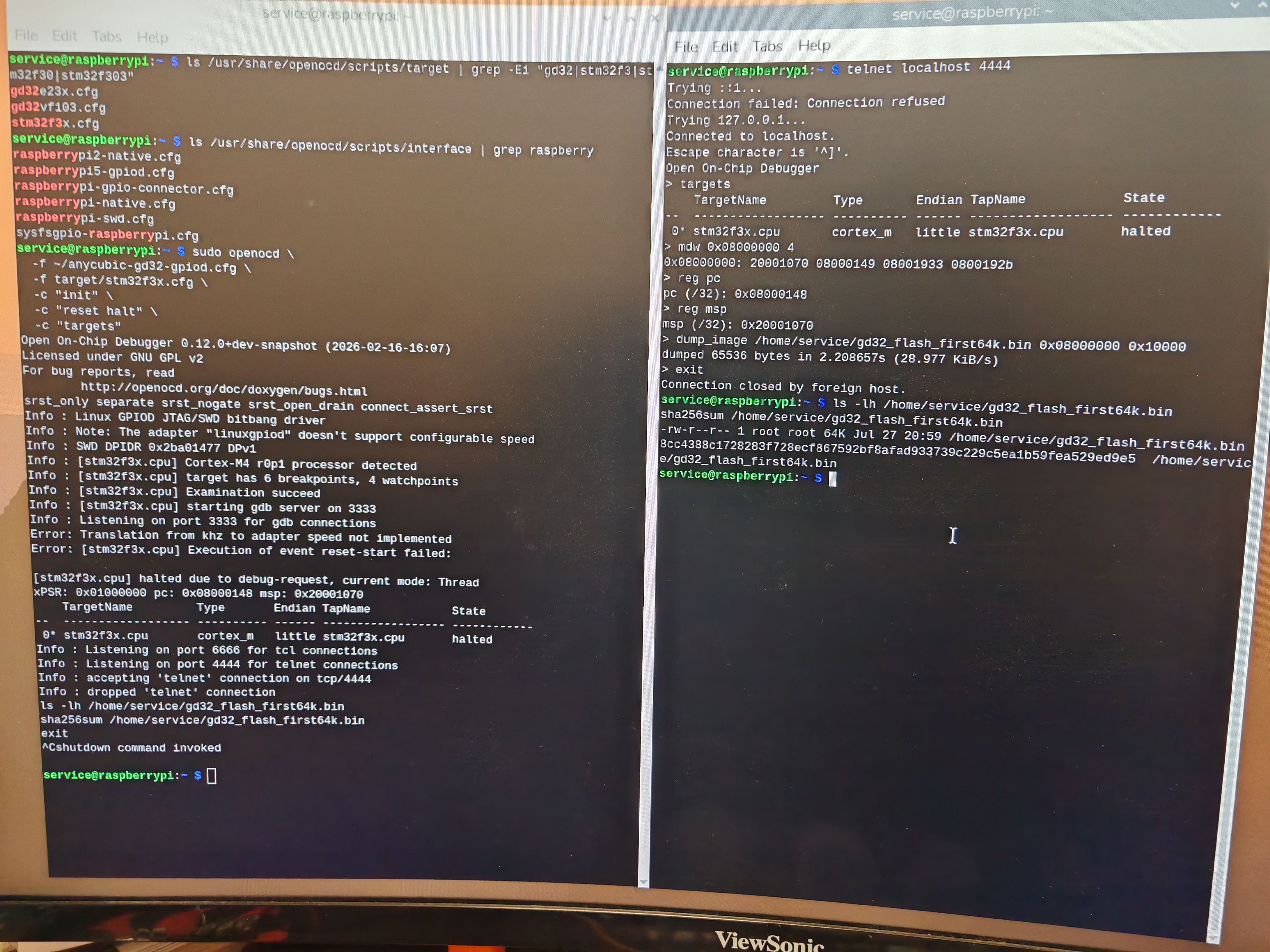
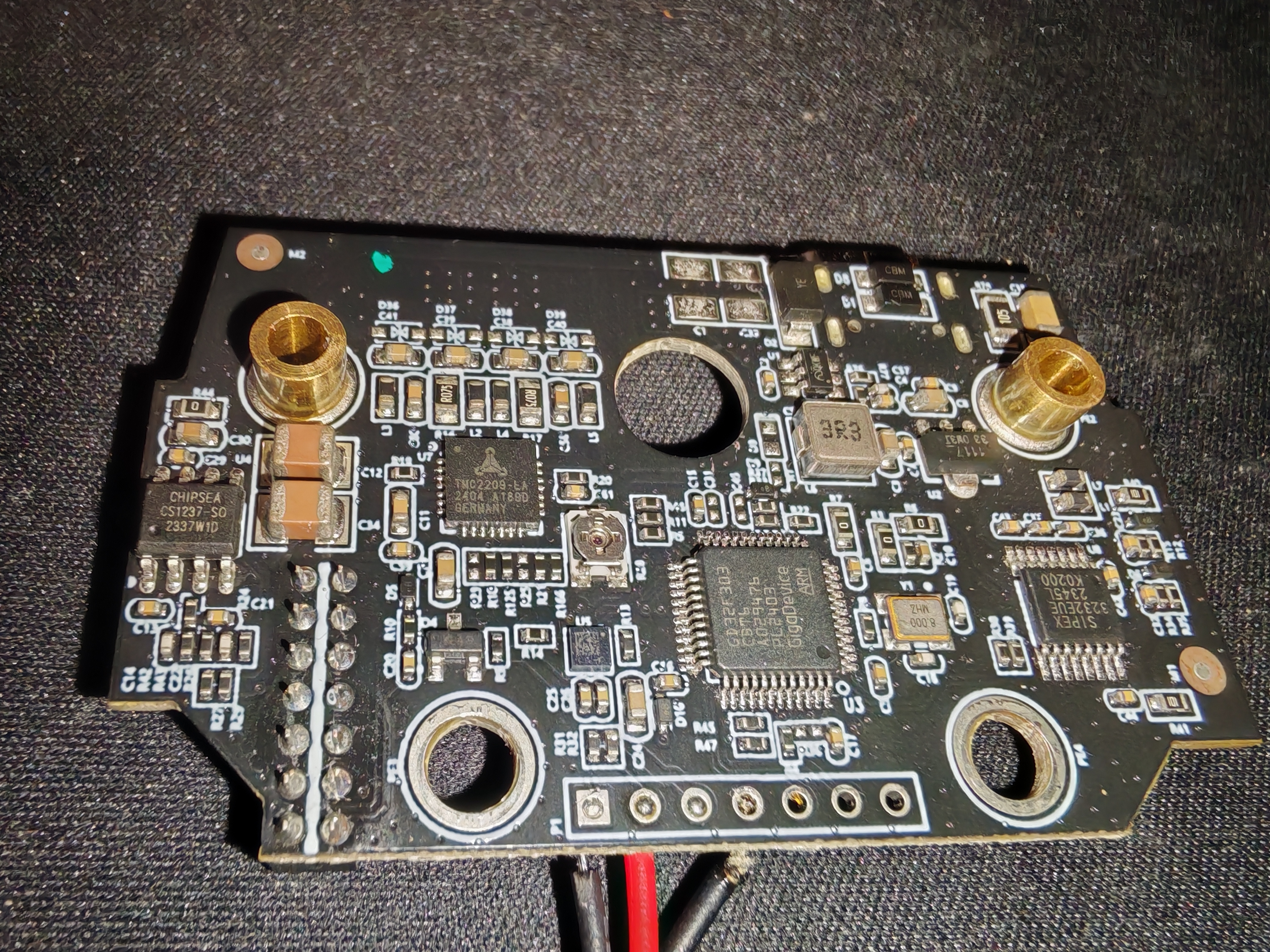
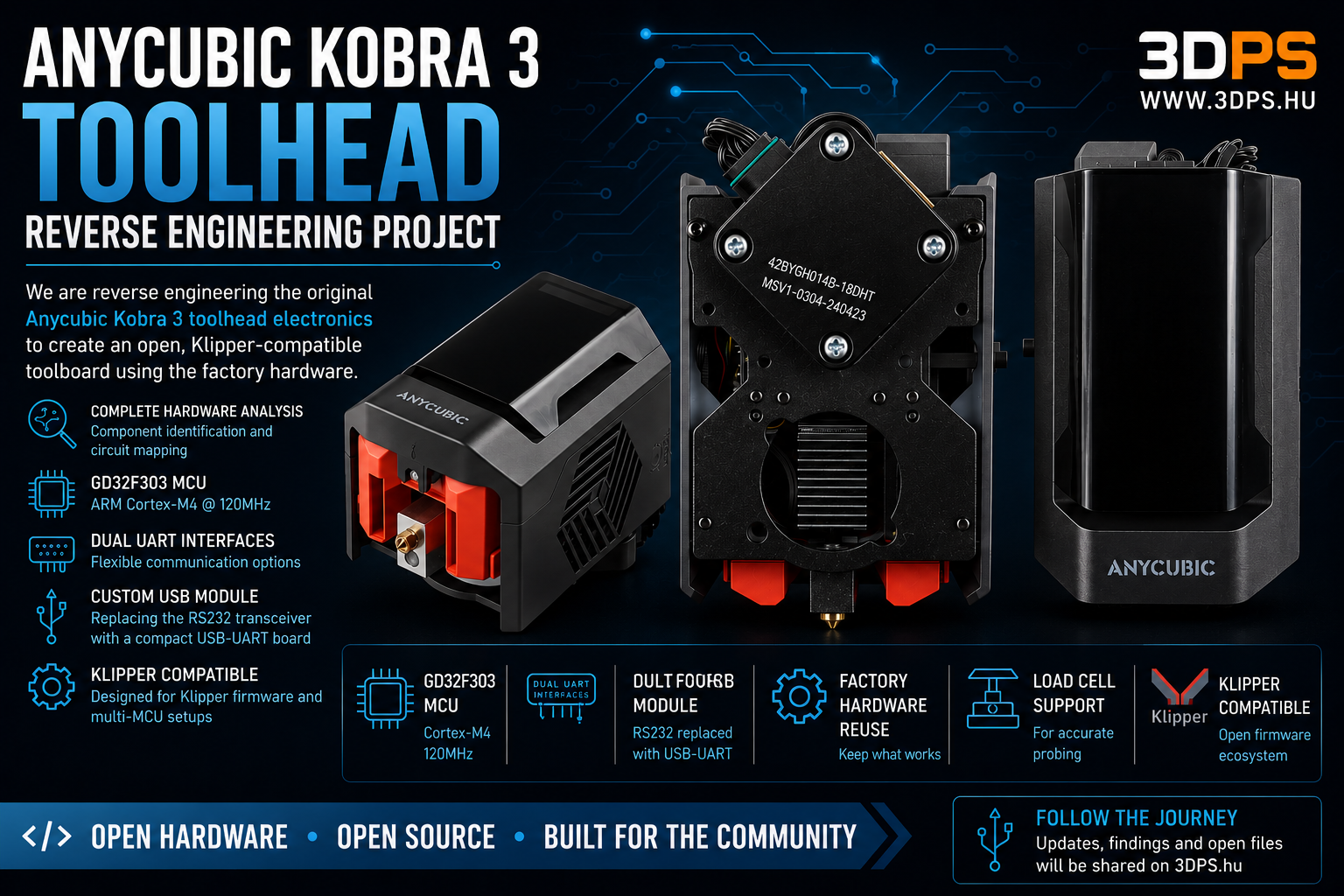
Anycubic Kobra 3 toolhead – successful firmware backup and the first steps toward a CAN-based Klipper toolboard
2026. 07. 27.
New printers
328

Anycubic Kobra 3 toolhead – successful firmware backup and the first steps toward a CAN-based Klipper toolboard

Anycubic Kobra 3 Toolhead Project – Another Milestone: Successful Firmware Backup and Preparing for a CAN-Based Toolboard Today marked another major milestone in the Anycubic Kobra 3 Toolhead project. Our objective is not to modify or preserve the original firmware. Instead, we are developing a completely custom firmware that will transform the factory controller board into a Klipper-compatible CAN Tool MCU with only minimal hardware modifications.

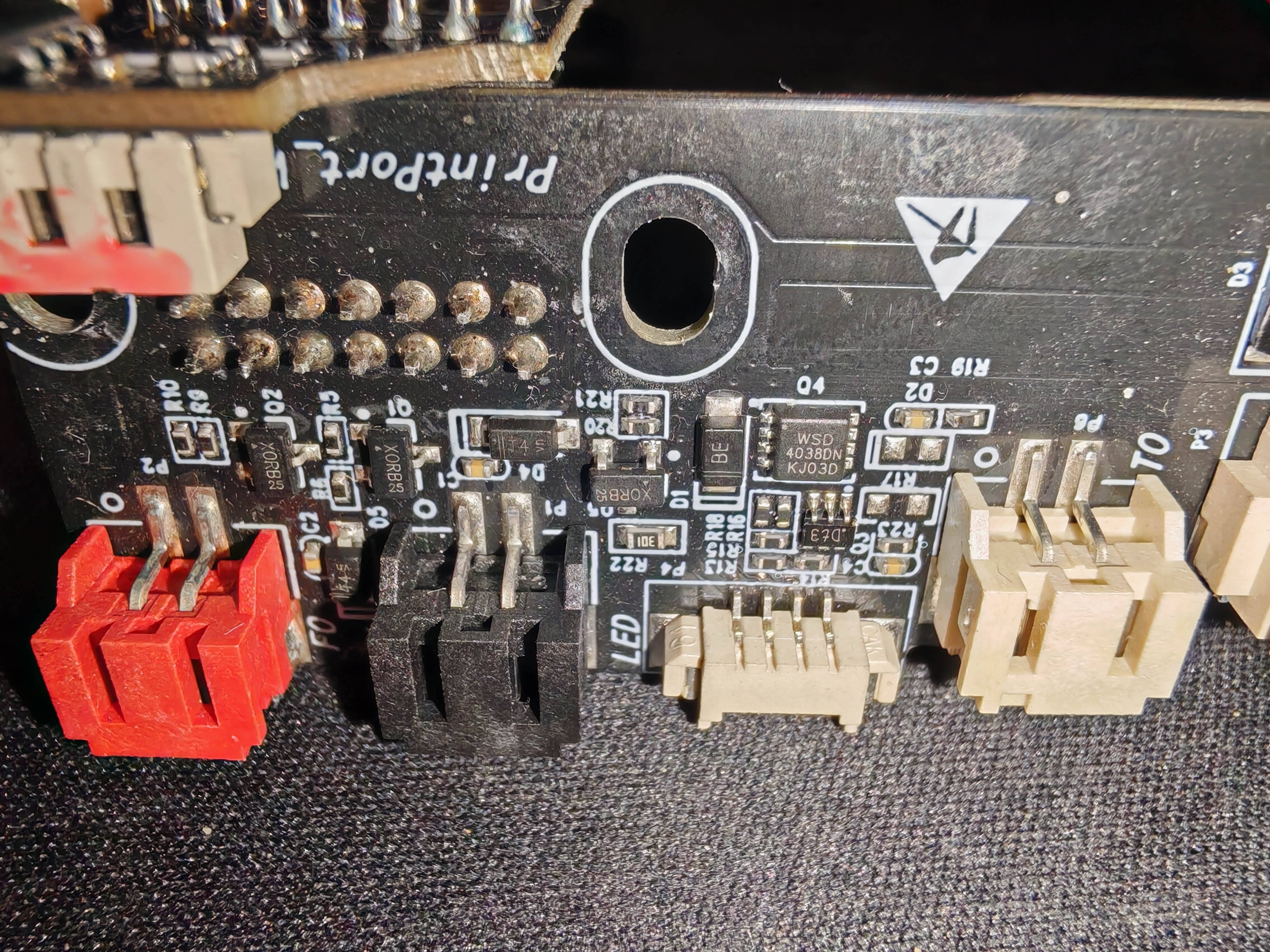
Another Milestone Reached in the Anycubic Kobra 3 Toolhead Project #2
2026. 07. 26.
New printers
325

Another Milestone Reached in the Anycubic Kobra 3 Toolhead Project #2

Another Milestone Reached in the Anycubic Kobra 3 Toolhead Project The Anycubic Kobra 3 Toolhead reverse engineering project has reached another important milestone. Recent work has shifted beyond simply identifying components toward building a comprehensive and structured hardware documentation system that will serve as the foundation for all future development.

Anycubic Kobra 3 Toolhead Project – First Hardware Documentation Milestone Completed
2026. 07. 26.
New printers
332

Anycubic Kobra 3 Toolhead Project – First Hardware Documentation Milestone Completed

Anycubic Kobra 3 Toolhead Project – First Hardware Documentation Milestone Completed The reverse engineering project has reached another important milestone. Our recent work has focused not only on identifying individual components but also on building a structured hardware documentation system that will serve as the foundation for mapping the entire electronics assembly.

„DO NOT TOUCH.” 😅
2026. 05. 12.
Technology
354

„DO NOT TOUCH.” 😅

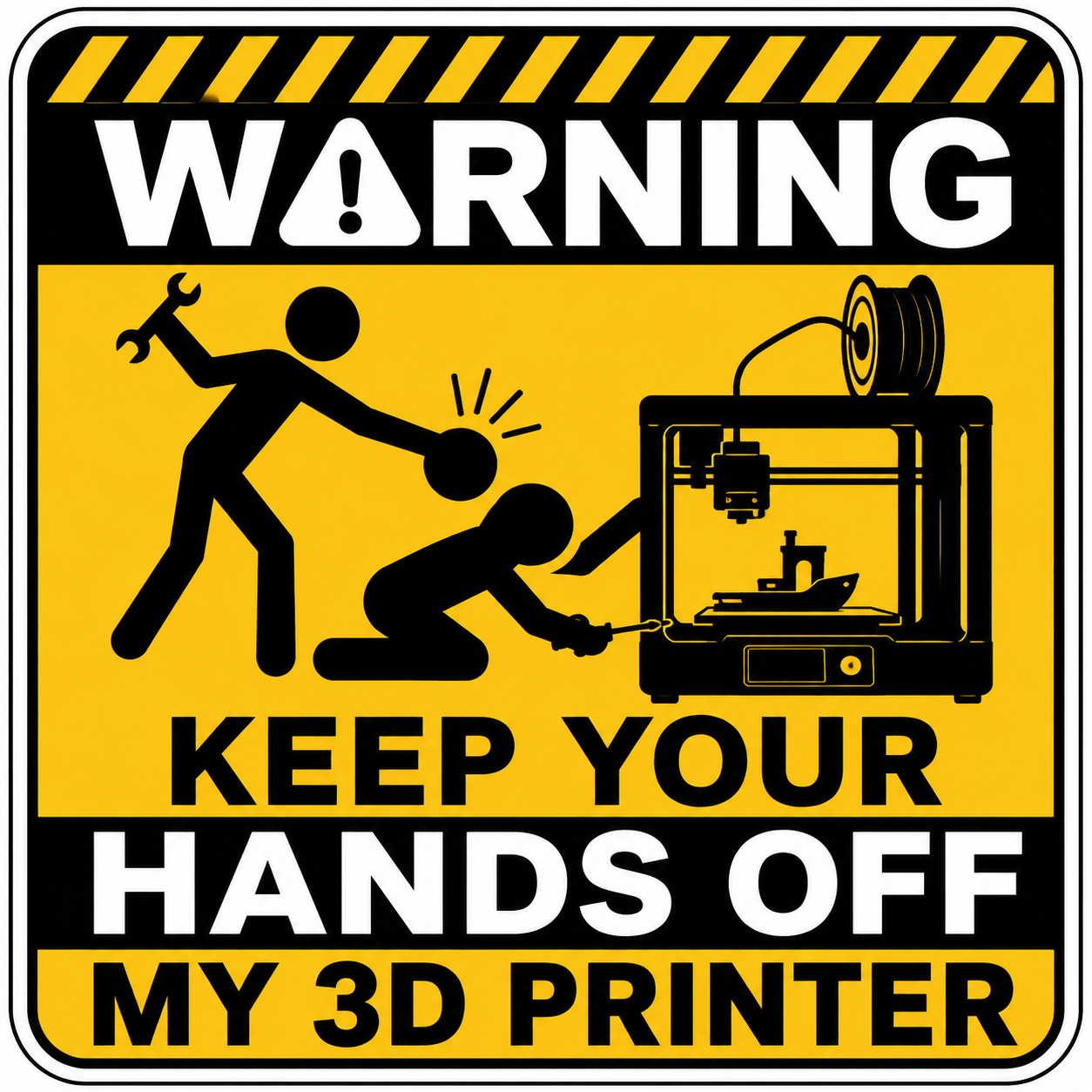
There’s that legendary sticker on every engineering project that says: “DO NOT TOUCH.” 😅 But seriously… then HOW are we supposed to take it apart?!

Bambu Lab A1 and A1 Mini – Factory First Layer Issues
2026. 05. 12.
New printers
439

Bambu Lab A1 and A1 Mini – Factory First Layer Issues

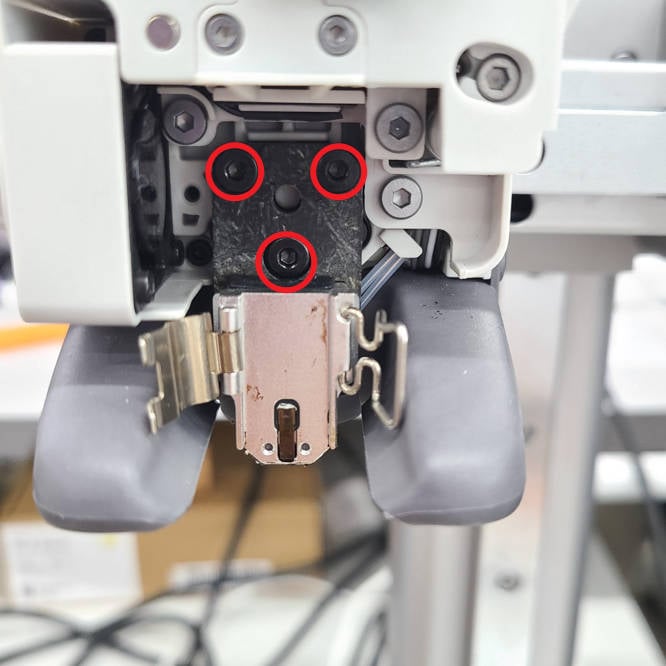
Bambu Lab A1 and A1 Mini – Factory First Layer Issues Several users of the Bambu Lab A1 and Bambu Lab A1 Mini printers have reported strange first layer issues that at first seem like slicer or filament problems, but are often actually caused by mechanical issues.

E-Boat Motor – Remote Control Lever Project
2026. 05. 12.
Technology
285

E-Boat Motor – Remote Control Lever Project

E-Boat Motor – Remote Control Lever Project Electric boat motors are becoming increasingly popular thanks to their quiet operation, efficiency, and environmentally friendly nature compared to traditional propulsion systems. However, as performance and areas of use continue to expand, comfortable and safe control solutions are becoming more and more important as well.