Bambu Lab Aimia: turning text and images into printable 3D models
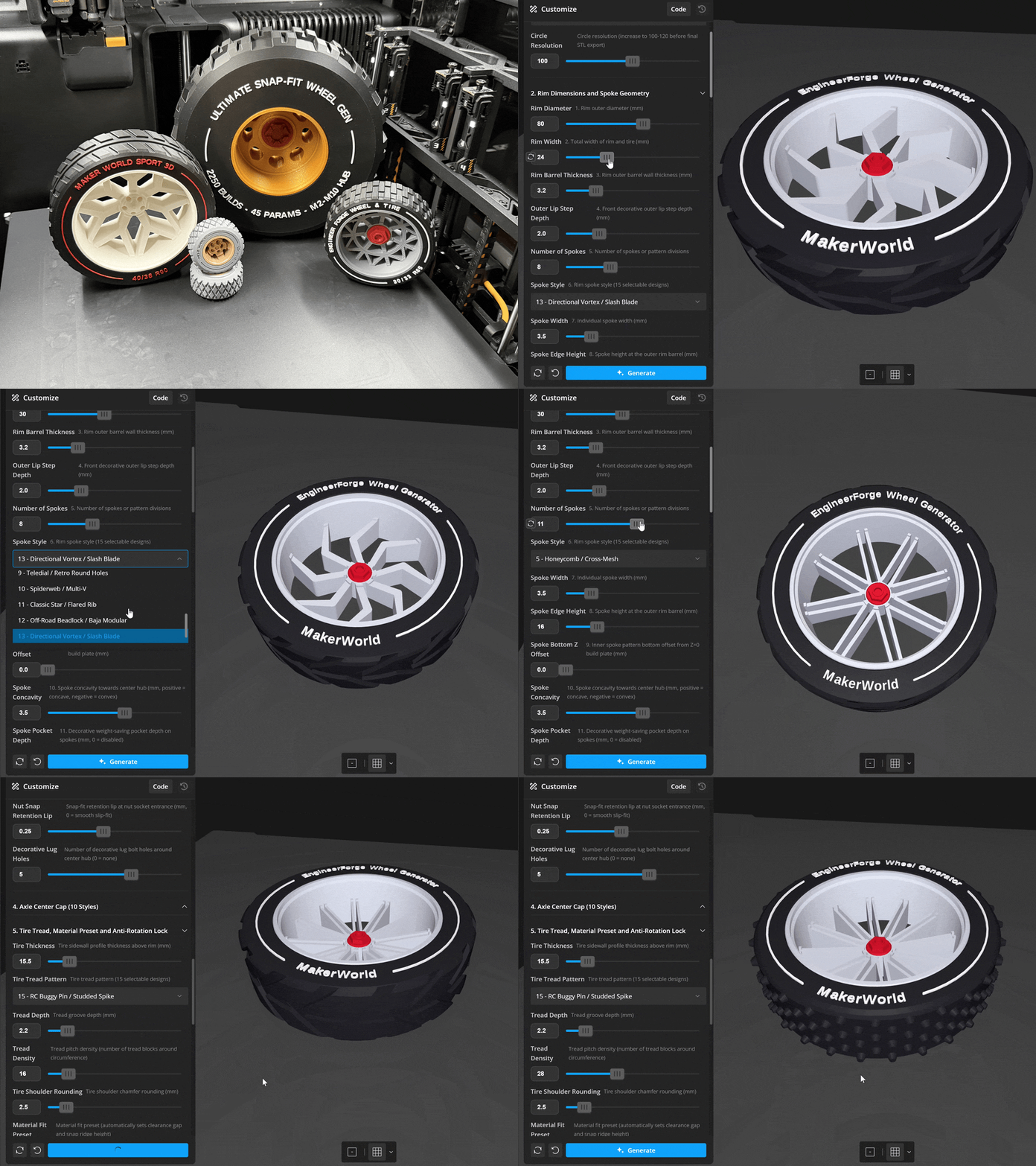
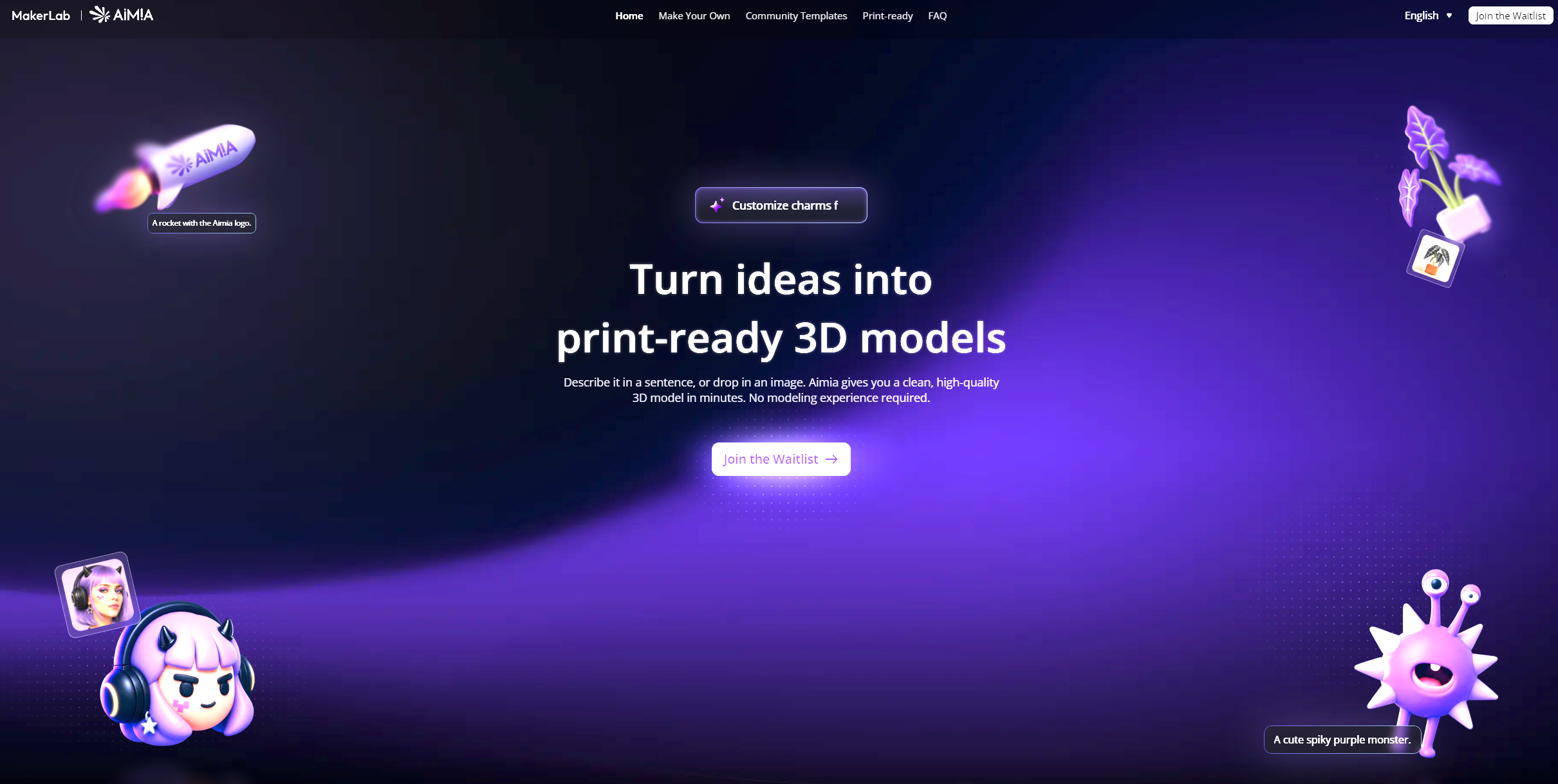
Bambu Lab has outlined Aimia for its MakerWorld ecosystem, combining several AI model-generation engines in a workflow aimed at making the first steps of 3D modeling more accessible.
Bambu Lab has outlined Aimia for its MakerWorld ecosystem, combining several AI model-generation engines in a workflow aimed at making the first steps of 3D modeling more accessible.
One workflow, several generation engines
Aimia is intended to start from a short text prompt or a reference image. First, the system creates a visual concept, which users can refine through further text instructions. Three-dimensional geometry is generated afterwards. That could appeal to printer owners who want to make an object without beginning with a complex CAD workflow.
The concept does not rely on just one newly developed 3D model engine. The reported selection includes Tripo, Meshy, Hi3D, Rodin and Hunyuan. Different engines can produce very different geometry from the same prompt, so a comparison step may be more valuable than a single automatic output.
A convincing picture is not necessarily a printable STL
For 3DPS, the critical question is manufacturability: watertight meshes, suitable wall thickness, connected geometry, correct dimensions and sensible support requirements. Text-to-3D and image-to-3D systems do not guarantee those properties. A visually attractive model may still contain thin structures, floating surfaces or details that are difficult to manufacture.
As described in coverage dated October 28, 2026, Aimia was being introduced with a waiting list rather than general availability. It should therefore not be presented as a fully launched feature accessible to everyone. Actual pricing, output quality and the workflow into a slicer will need practical testing when access opens.
Editorial assessment
Aimia will be most useful if it produces not only quick concepts but geometry that is printable, editable and dimensionally meaningful. Parametric CAD remains important for engineered components. AI modeling can nevertheless make decorative parts, figurines and early concepts more accessible.