2026. 08. 02.
Parkside Multi Charger – New Development Milestone
Parkside Multi Charger – New Development Milestone Development of the Parkside Multi Charger continues to make steady progress. Recent work has focused not only on hardware and software development but also on establishing the project's public identity and communication. The project currently consists of two separate development branches: Parkside Multi Charger (Normal) and Parkside Multi Charger Pro.
Parkside Multi Charger – New Development Milestone
Development of the Parkside Multi Charger continues to make steady progress. Recent work has focused not only on hardware and software development but also on establishing the project's public identity and communication.
The project currently consists of two separate development branches: Parkside Multi Charger (Normal) and Parkside Multi Charger Pro.
Parkside Multi Charger (Normal)
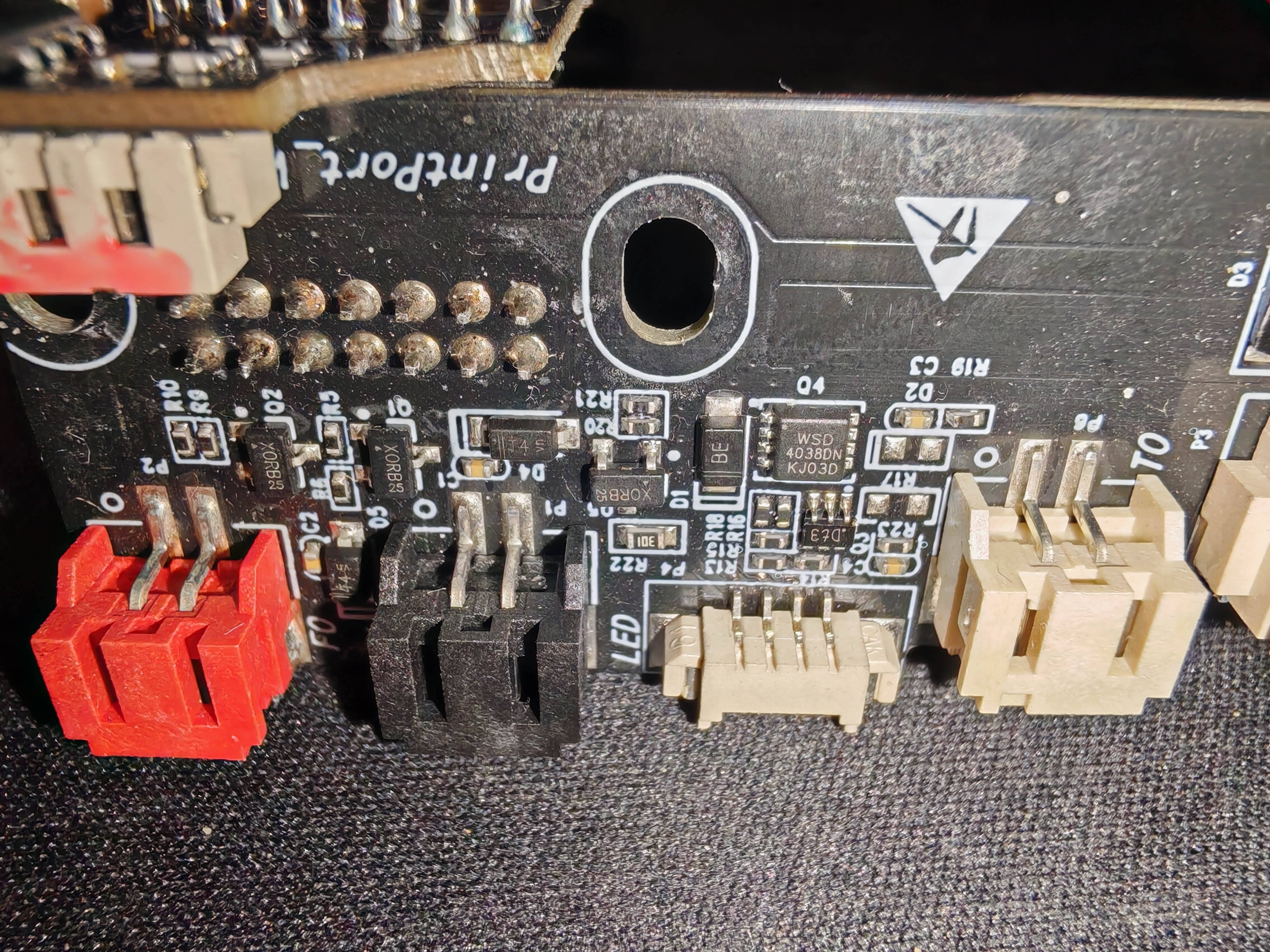
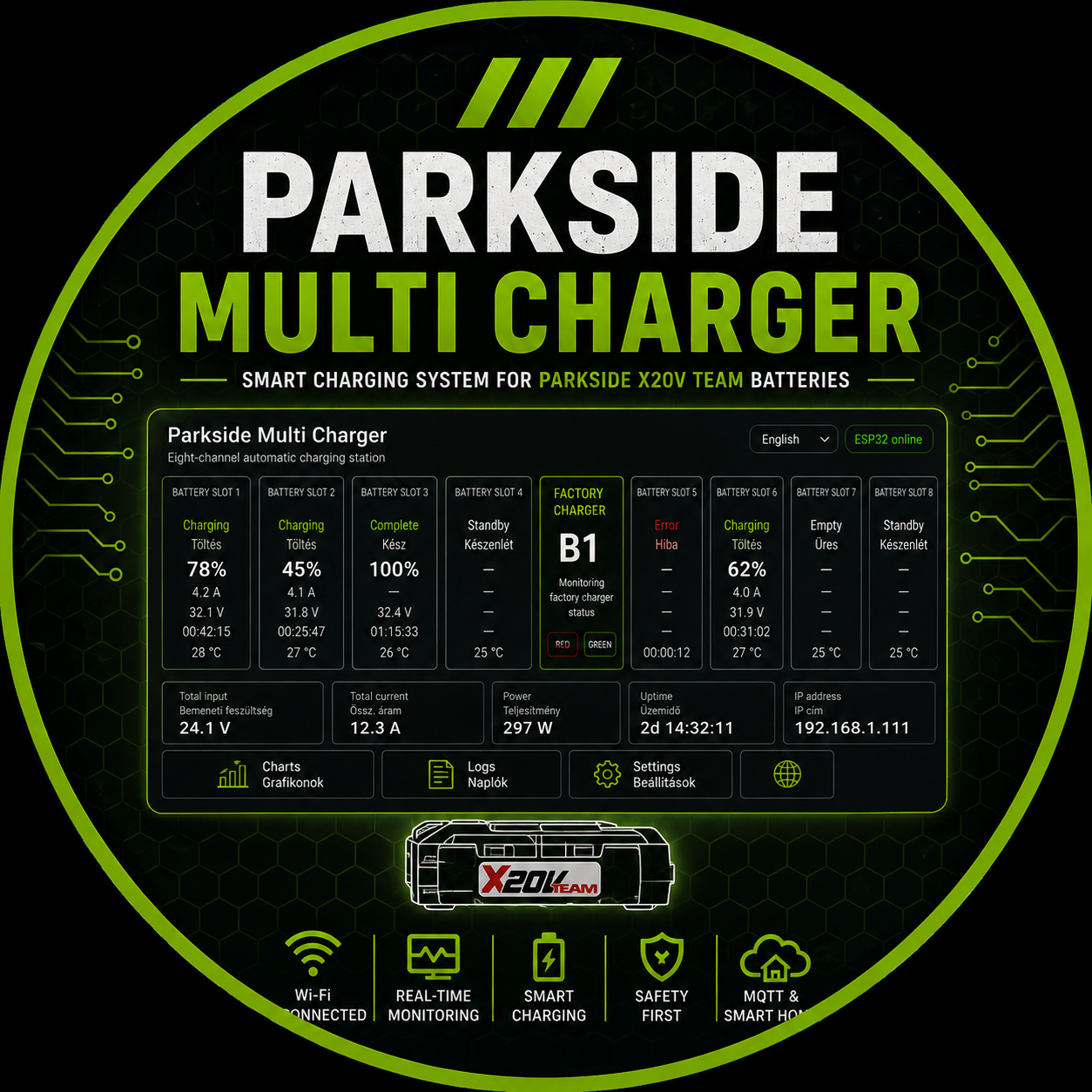
The Normal version is designed to provide an intelligent charging management system while continuing to use the original Parkside charger.
Current development progress includes:
the first functional version of the web interface has been completed;
the interface is available in both Hungarian and English;
support for displaying the status of eight battery slots has been implemented;
the factory charger monitoring interface has been completed;
diagnostic and real-time monitoring functions continue to evolve.
Parkside Multi Charger Pro
Development of the Pro version has also progressed significantly.
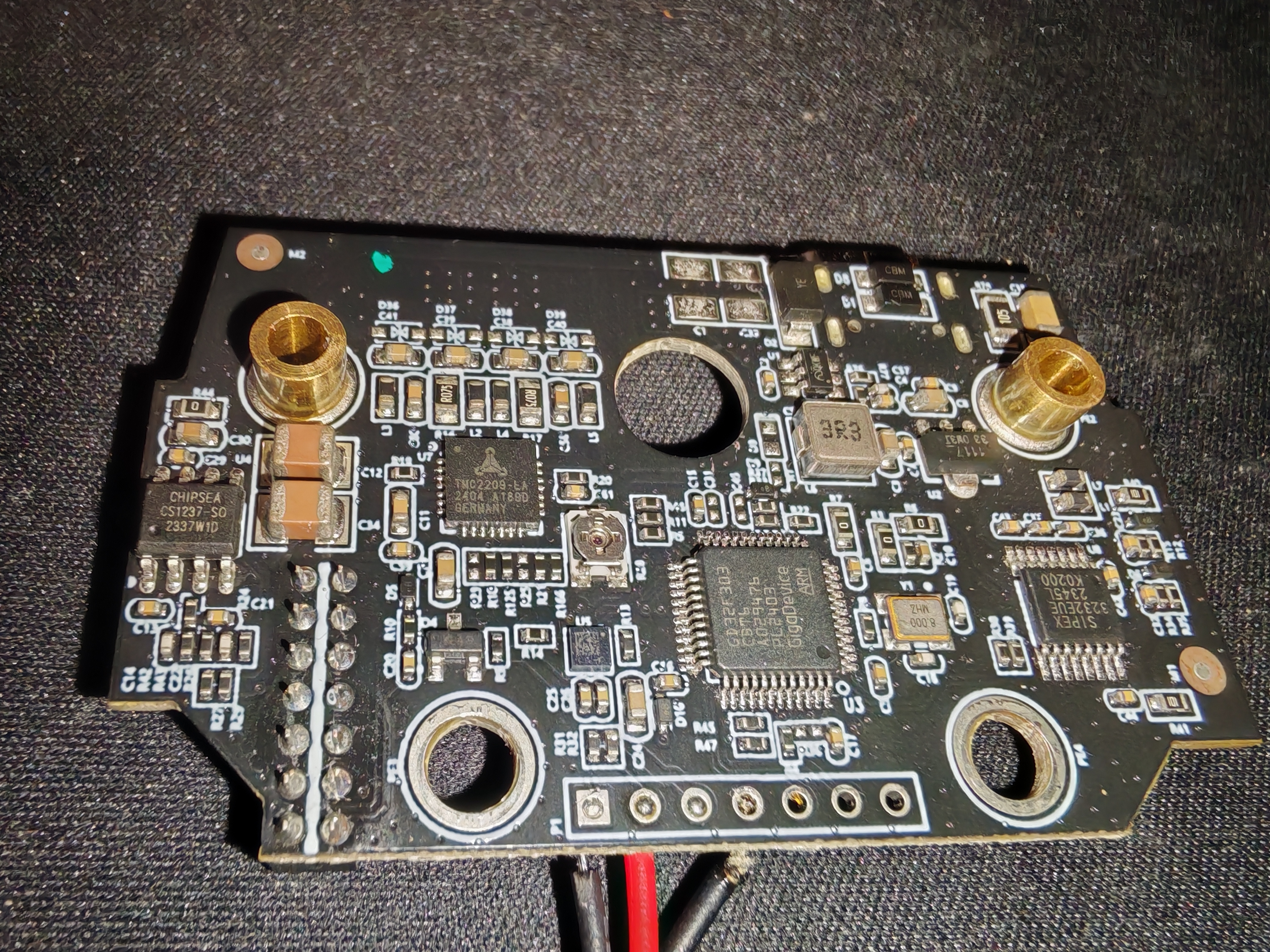
The goal is to create a fully proprietary smart charging platform that replaces the original charger electronics with a dedicated charging management system.
The currently confirmed design principles include:
proprietary charging control;
centralized 24 V power supply;
simultaneous charging of two batteries;
maximum charging current of 4.5 A per battery;
MQTT-based smart home integration;
RFID-based battery identification;
web-based monitoring;
Bluetooth connectivity.
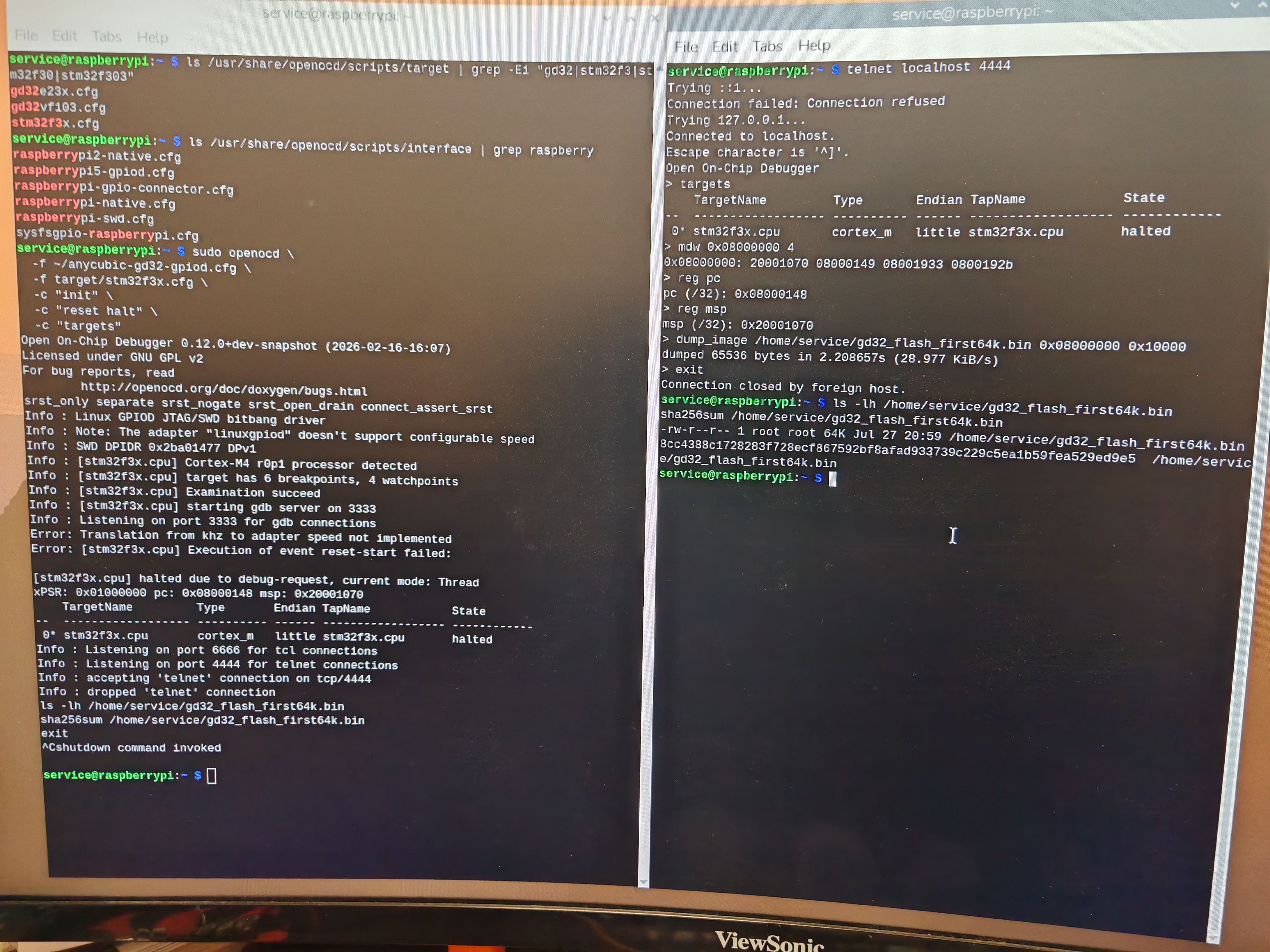
In parallel, reverse engineering of the communication between the Parkside battery and the original charger continues, providing the foundation for the future charging controller.
Project Communication
Alongside technical development, work has also begun on creating a consistent public identity for the project.
Recent additions include:
the project's Facebook page;
bilingual product descriptions;
bilingual news articles;
the first marketing materials;
flyer and cover image concepts.
An important principle of the project is to publish only information that has already been confirmed or implemented.
What's Next?
Normal Version
complete the first hardware prototype;
continue improving the web interface;
refine the control software.
Pro Version
finalize the charging controller hardware;
continue reverse engineering the communication protocol;
develop the RFID system;
prepare the MQTT smart home integration.
Thank you to everyone who follows the project, shares ideas, or supports its development. Your feedback helps shape the future of the Parkside Multi Charger project.
Support the Parkside Multi Charger Project!
The Parkside Multi Charger is developed in my spare time, and designing hardware, building prototypes, and testing new features require considerable time and resources.
If you'd like to help accelerate the project's development and support future features, you can do so here:
💚 https://4fund.com/hu/dj6jde
Thank you for every contribution and for sharing the project with others!