3DPS logo
3DPS Europe
Service and development
News

News / article

New printers
← Back to news Back to homepage
QIDI Smart 5: a compact CoreXY revealed by FCC filings
2026. 10. 04.
127

QIDI Smart 5: a compact CoreXY revealed by FCC filings

1 min read

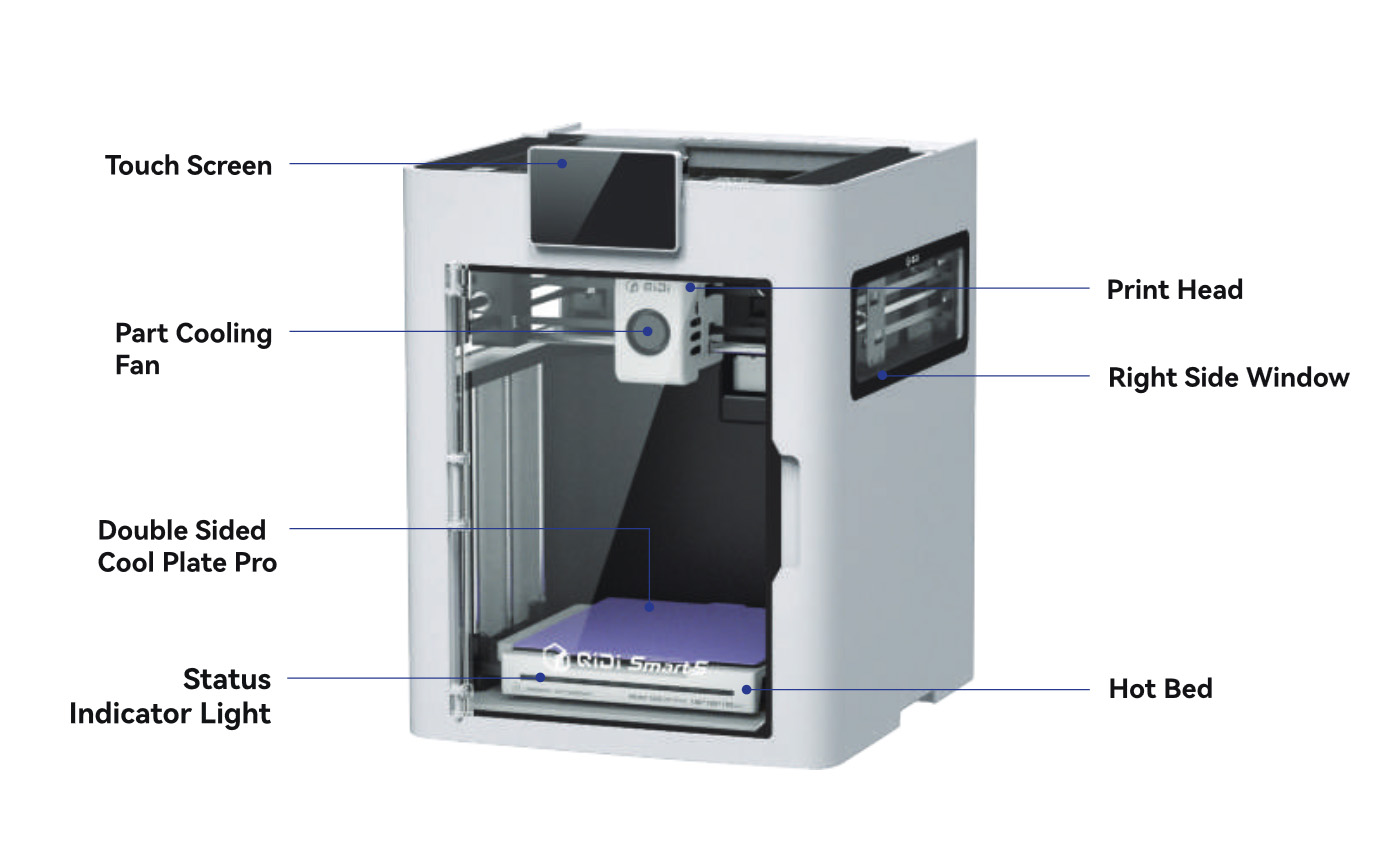
FCC documents reveal a 180×180×180 mm QIDI Smart 5 for PLA/PETG, with a claimed maximum speed of 600 mm/s.

QIDI Technology received FCC approval for the Smart 5 on September 10. The public filings reveal a compact CoreXY system.

The documents indicate a 180×180×180 mm build volume, 322×344×410 mm overall dimensions and a 10 kg weight. The printhead is listed at up to 600 mm/s with up to 20,000 mm/s² acceleration. PLA and PETG are the primary supported materials in the disclosed specification.

High speed in a small footprint

The Smart 5 is notable for trying to package a high-speed CoreXY architecture into a compact enclosure, making footprint versus throughput the central question.

Source

Original source

Cover: 3DPS editorial illustration.
Related articles
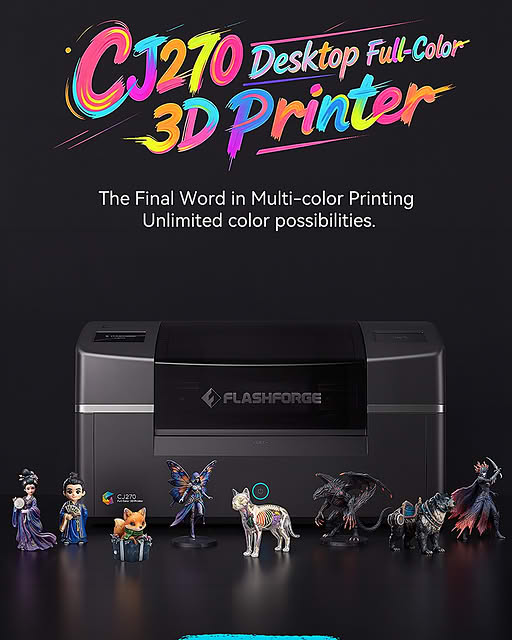
Flashforge CJ270: Full-Color Material Jetting in a Desktop-Sized System
2026. 09. 28.
1 087

Flashforge CJ270: Full-Color Material Jetting in a Desktop-Sized System

Flashforge is positioning the CJ270 as a compact desktop 3D printer designed for high-resolution color printing. According to the manufacturer, the system supports more than 10 million colors and offers a minimum layer thickness of 7 μm. Flashforge is also promoting an additional €450 early-bird benefit for early customers.

Bambu Lab R1: the 55 W CO₂ laser has arrived
2026. 09. 23.
453

Bambu Lab R1: the 55 W CO₂ laser has arrived

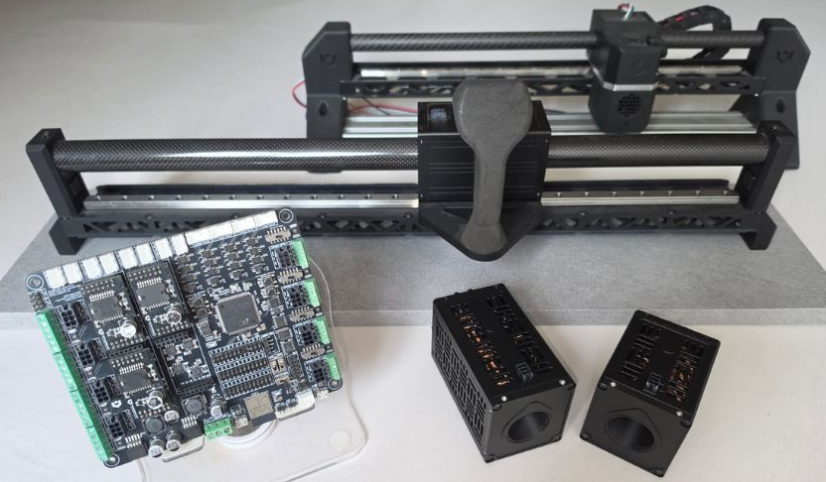
On September 22, Bambu Lab introduced its first standalone laser machine: the R1 uses a 55 W CO₂ laser, offers a 600×300 mm working area and automatic laser alignment.

Archive

Earlier news

60 earlier article(s)
Commodore 64 Ultimate Returns: A Retro Legend, Not a 3D-Printed One
2026. 10. 01.
Technology
743

Commodore 64 Ultimate Returns: A Retro Legend, Not a 3D-Printed One

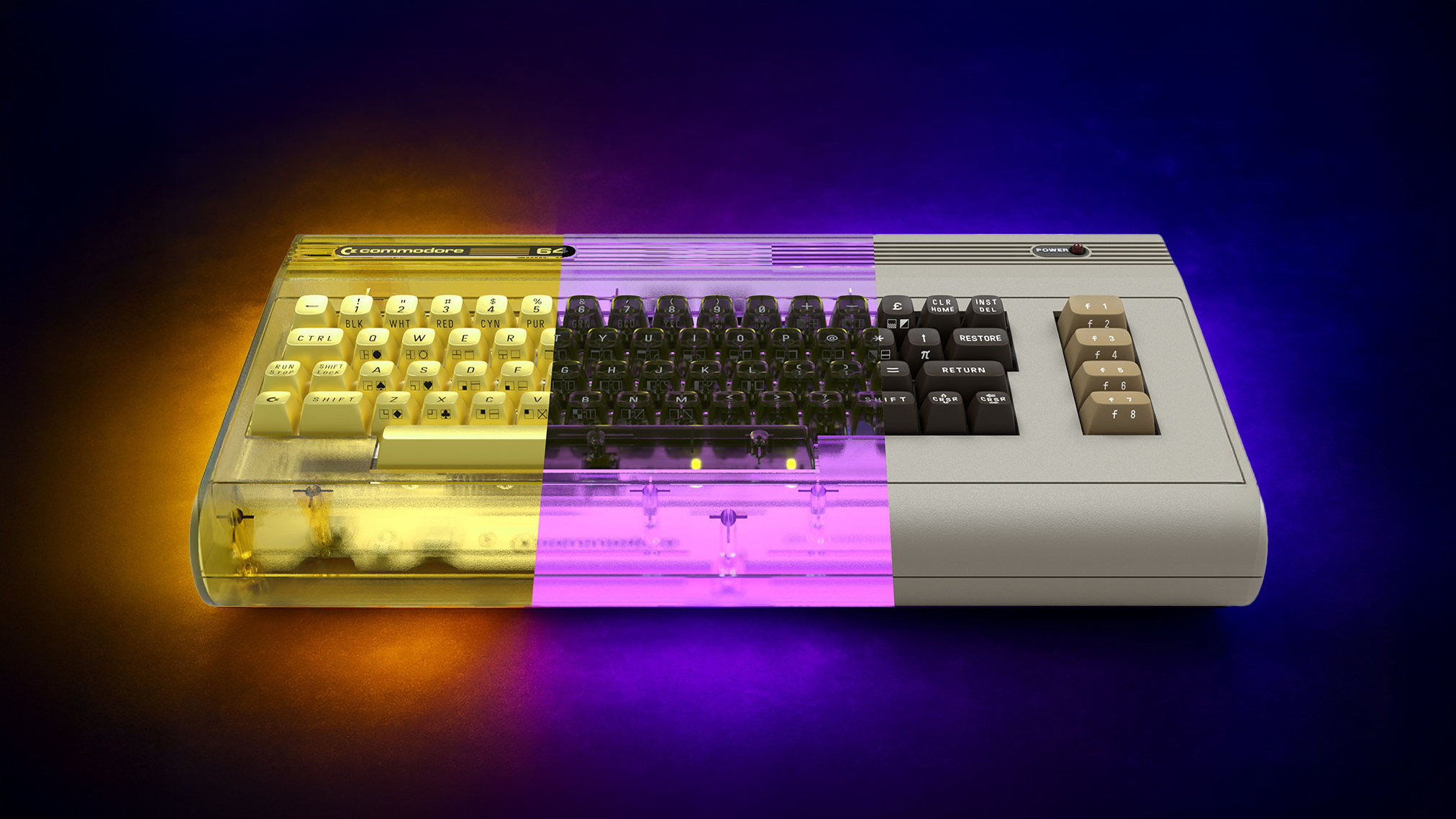
Commodore.net has officially relaunched its legendary home computer as the Commodore 64 Ultimate, rebuilding the classic machine on modern FPGA hardware. We cover it here as a curiosity: it has no direct 3D printing angle, since the case is produced with classic injection molding using the original 1986 tooling, not 3D printing.

LLNL: AI detects defects during 3D printing
2026. 10. 01.
Software / AI
344

LLNL: AI detects defects during 3D printing

Lawrence Livermore National Laboratory is using camera-based AI inspection to analyze direct ink writing layer by layer and detect defects during the build.