3DPS logo
3DPS Europe
Service and development
News

Latest news and articles

← Back to news Back to homepage
Quickparts Builds a Four-Country Additive Manufacturing Network for Space and Defense
2026. 09. 14.

Quickparts Builds a Four-Country Additive Manufacturing Network for Space and Defense

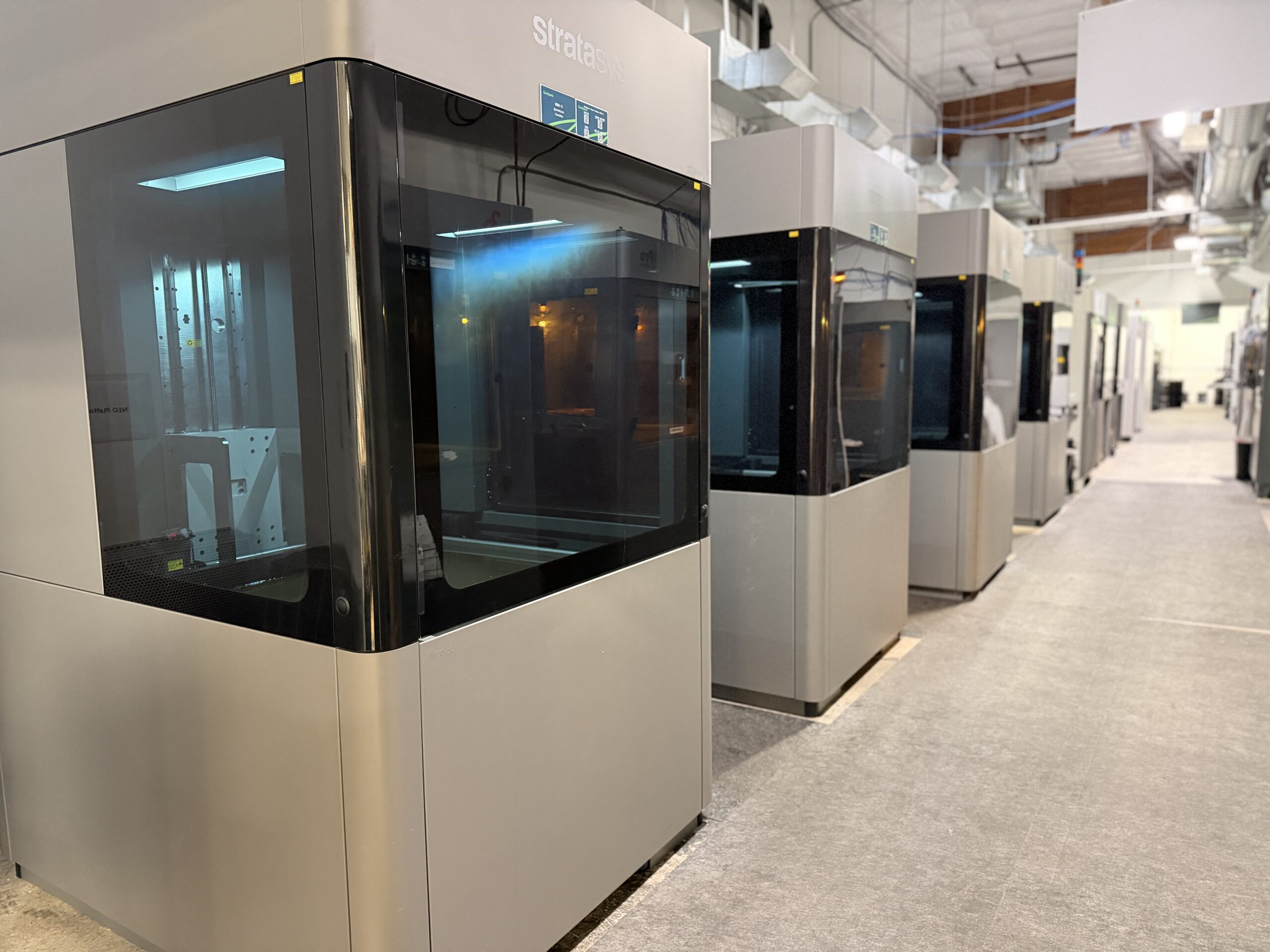
Quickparts is building a multi-country additive manufacturing network designed to reproduce the same qualified parts across different locations with consistent quality.

Quickparts is building a multi-country additive manufacturing network designed to reproduce the same qualified parts across different locations with consistent quality.

What happened?

Quickparts is building a multi-country additive manufacturing network designed to reproduce the same qualified parts across different locations with consistent quality.

Key details

  • The network connects manufacturing capacity across four countries.
  • Space and defense are the target markets, where qualification and repeatability are critical.
  • The strategy focuses on standardized processes, not simply installing more printers.
  • Localized production can shorten supply chains and improve responsiveness.

Why it matters

One of additive manufacturing’s strongest promises is the digital inventory: move the file, not the part. That only works if multiple sites can reproduce the same result, which is exactly the challenge Quickparts is addressing.

The cover image is a 3DPS-created illustration.

Source and further information

This article is a summary based on publicly available source material. Read the original here: 3DPrint.com.


#Quickparts #AdditiveManufacturing #Aerospace #SpaceIndustry #DefenseIndustry #3DPrinting #Industrial3DPrinting #ManufacturingNetwork #SupplyChain #DigitalManufacturing #AdditivGyartas #3DPS
More news
KPI features have been added.

KPI features have been added.

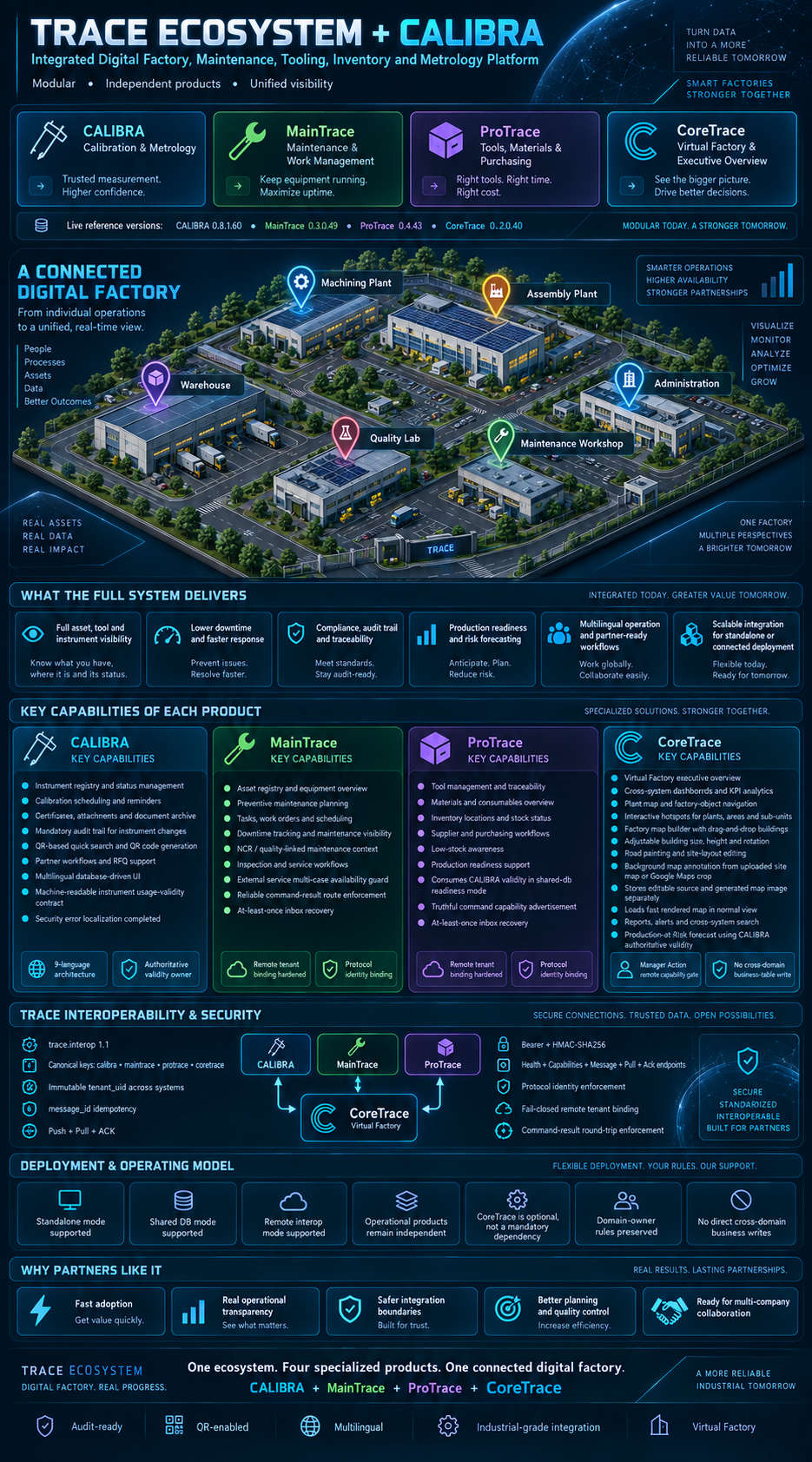
KPI features have been added. CALIBRA – Measurem Why do KPIs matter in measurement equipment management? Because data becomes truly useful only when it helps you see where attention is needed and how performance changes over time.

Parkside Multi Charger: Controller Architecture for the Basic and Pro Versions

Parkside Multi Charger: Controller Architecture for the Basic and Pro Versions

Parkside Multi Charger: Controller Architecture for the Basic and Pro Versions Development of the Parkside Multi Charger has entered a new stage. During the latest planning phase, several controller and power-switching architectures were compared to find a solution that keeps the Basic version easy to build while leaving enough room for the more advanced Pro model.

Parkside Multi Charger – New Development Milestone

Parkside Multi Charger – New Development Milestone

Parkside Multi Charger – New Development Milestone Development of the Parkside Multi Charger continues to make steady progress. Recent work has focused not only on hardware and software development but also on establishing the project's public identity and communication. The project currently consists of two separate development branches: Parkside Multi Charger (Normal) and Parkside Multi Charger Pro.

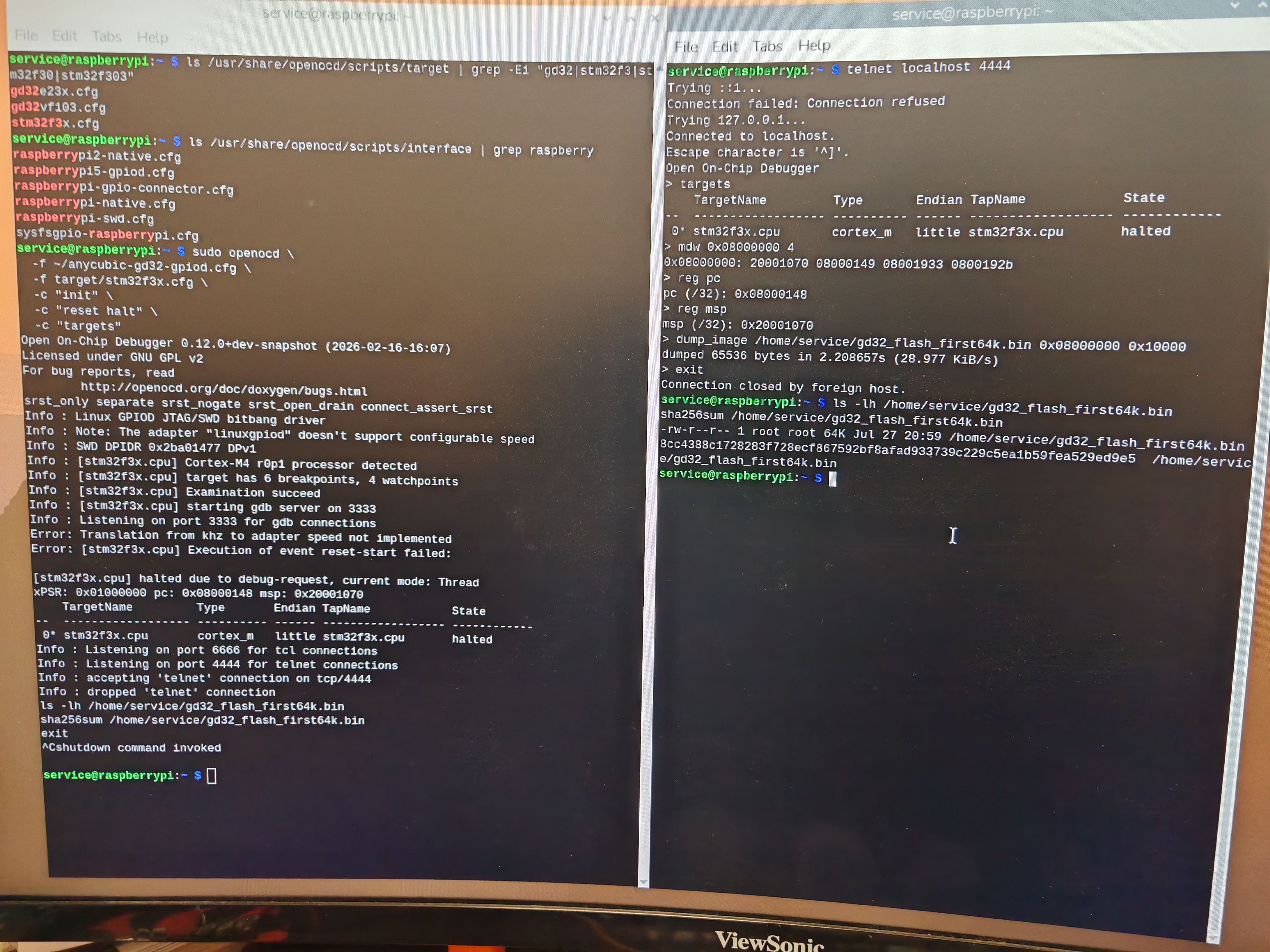
Anycubic Kobra 3 toolhead – successful firmware backup and the first steps toward a CAN-based Klipper toolboard

Anycubic Kobra 3 toolhead – successful firmware backup and the first steps toward a CAN-based Klipper toolboard

Anycubic Kobra 3 Toolhead Project – Another Milestone: Successful Firmware Backup and Preparing for a CAN-Based Toolboard Today marked another major milestone in the Anycubic Kobra 3 Toolhead project. Our objective is not to modify or preserve the original firmware. Instead, we are developing a completely custom firmware that will transform the factory controller board into a Klipper-compatible CAN Tool MCU with only minimal hardware modifications.

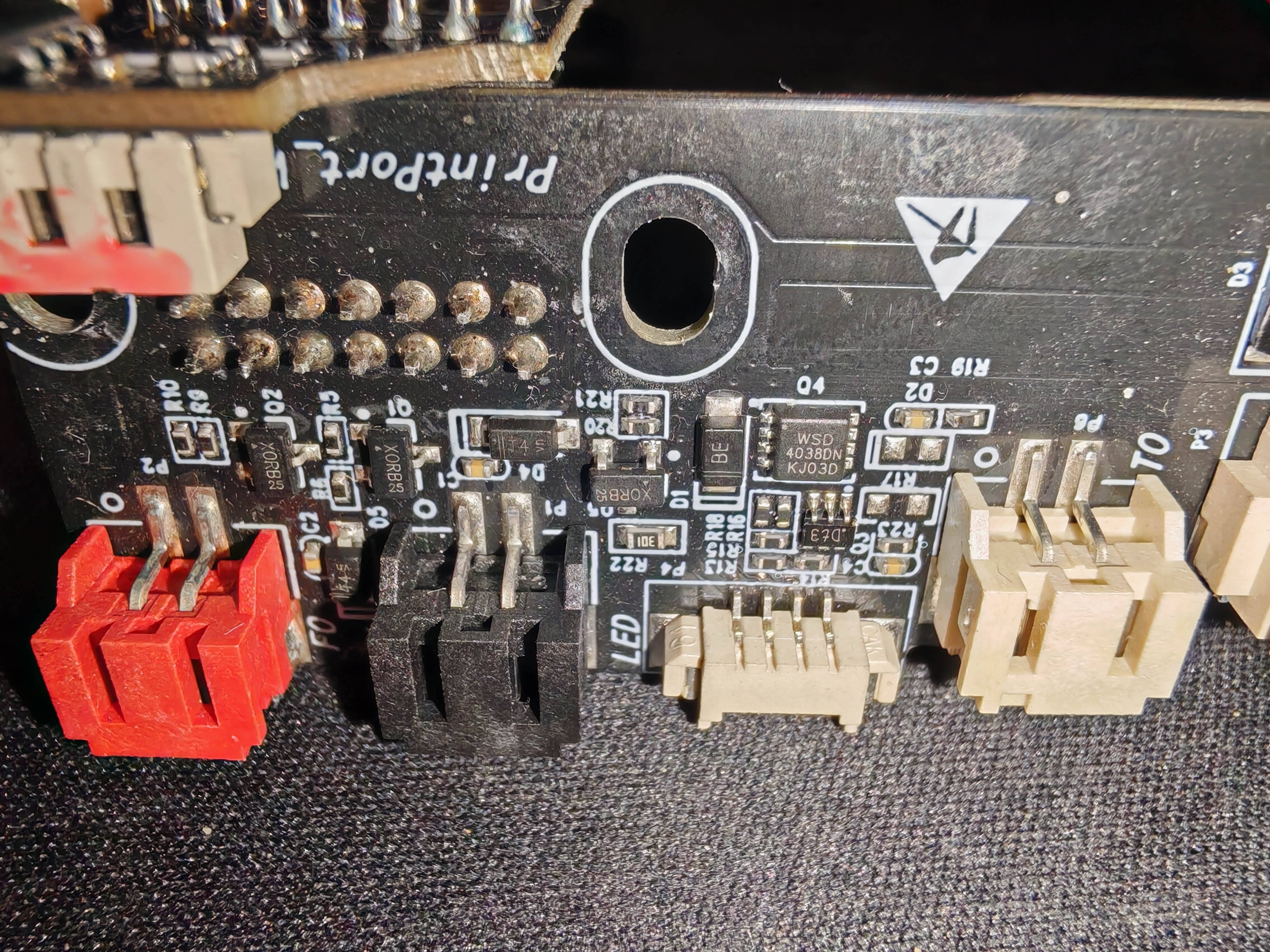
Another Milestone Reached in the Anycubic Kobra 3 Toolhead Project #2

Another Milestone Reached in the Anycubic Kobra 3 Toolhead Project #2

Another Milestone Reached in the Anycubic Kobra 3 Toolhead Project The Anycubic Kobra 3 Toolhead reverse engineering project has reached another important milestone. Recent work has shifted beyond simply identifying components toward building a comprehensive and structured hardware documentation system that will serve as the foundation for all future development.