ShoeFactory Turns a Phone Foot Scan into a Custom 3D-Printable Shoe
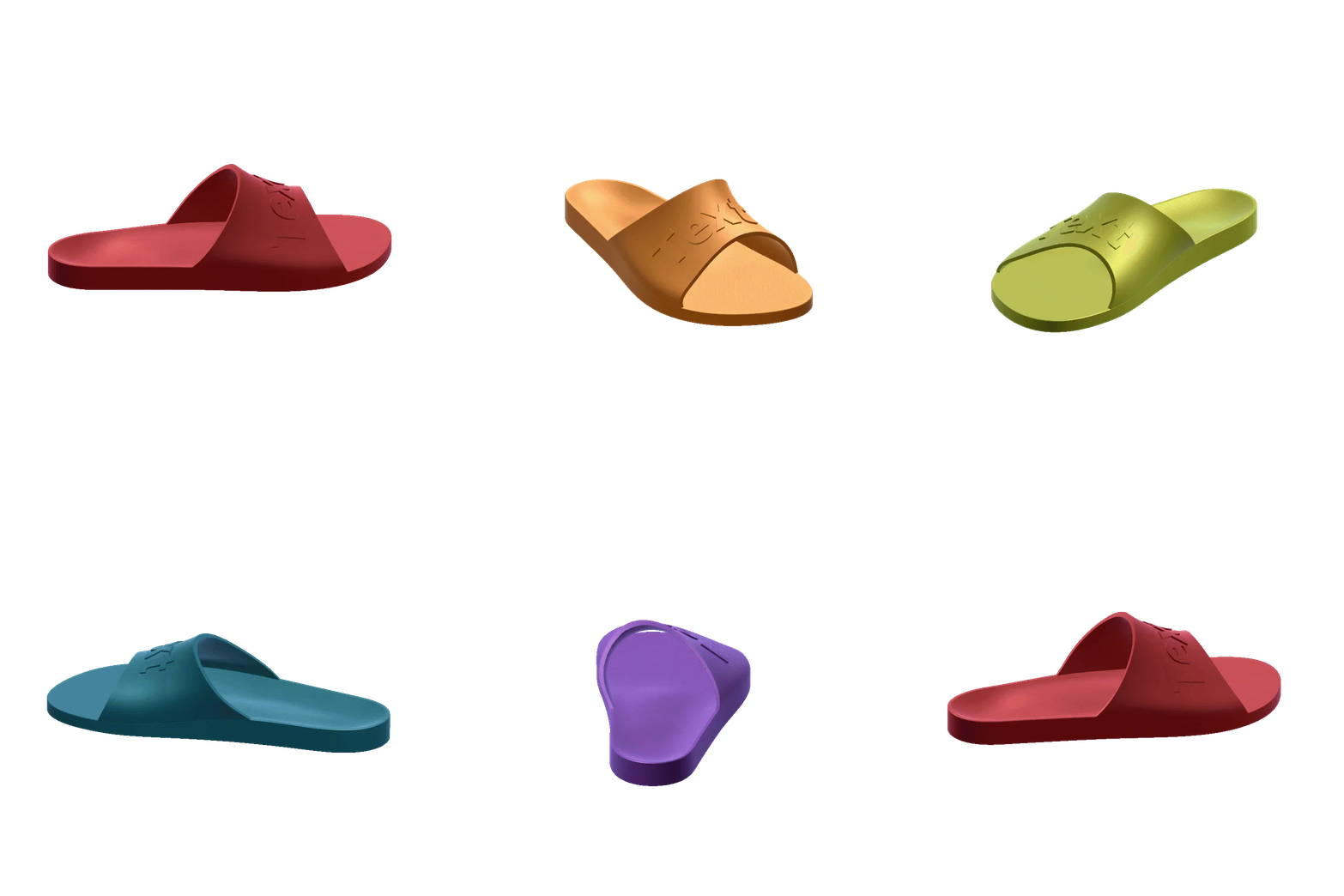
Munich-based Sneakprint has launched ShoeFactory, a service that sells custom-fit STL files rather than finished shoes. Customers scan their feet with a phone browser and print the resulting design themselves.
ShoeFactory Turns a Phone Foot Scan into a Custom 3D-Printable Shoe
Introduction: Munich-based Sneakprint has launched ShoeFactory, a service that sells custom-fit STL files rather than finished shoes. Customers scan their feet with a phone browser and print the resulting design themselves.
Shipping Geometry Instead of Finished Shoes
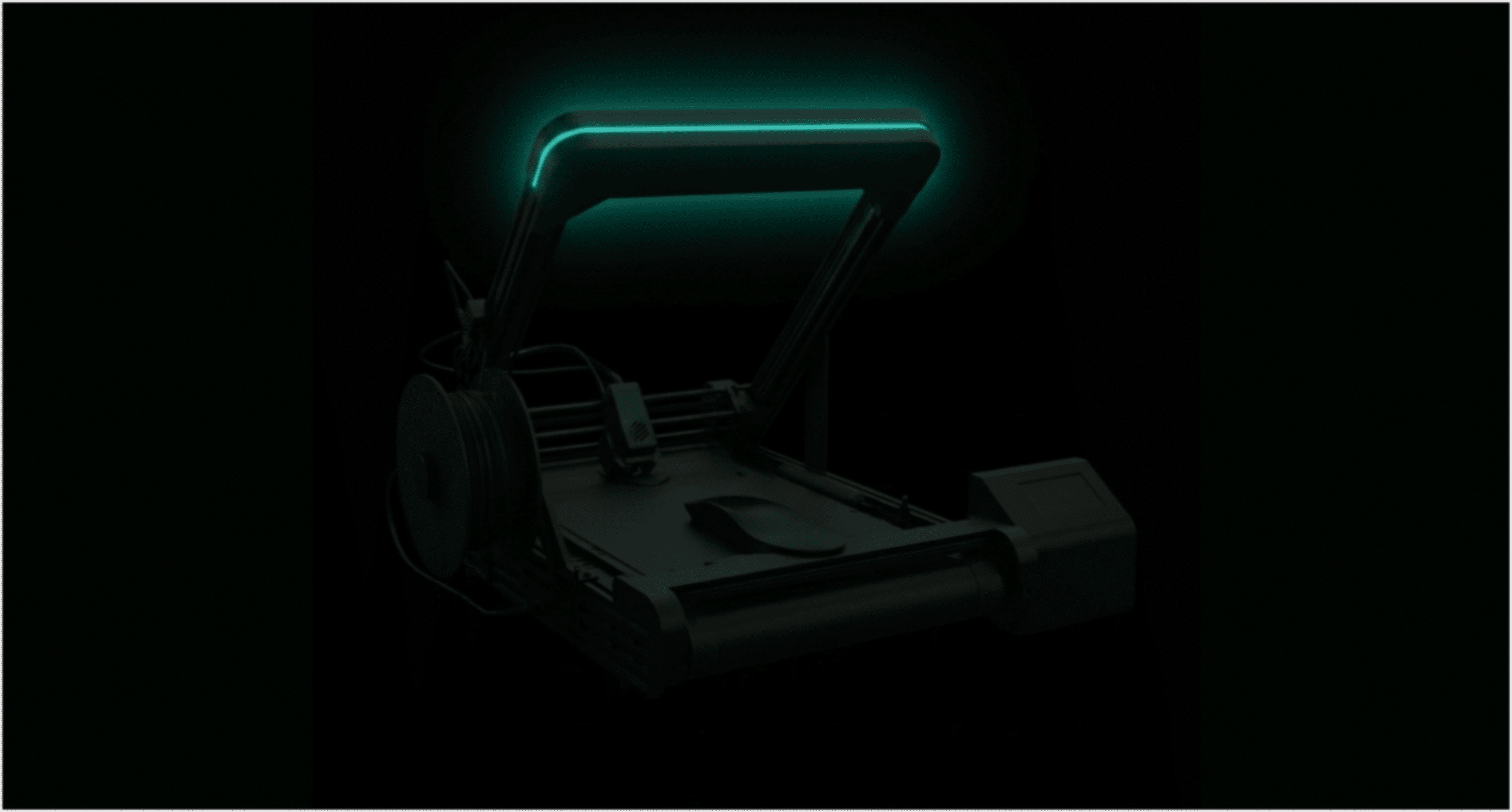
ShoeFactory takes a different approach from a conventional footwear store. Customers receive a digital model adapted to their own foot measurements, then handle physical production themselves. The service connects personalized product design with at-home additive manufacturing.
Phone-Based Scanning and a Parametric Model
The process starts with a foot scan in a mobile browser. According to 3Druck, the service uses Volumental's measurement technology, treats the left and right foot separately, and generates an STL file for the selected shoe. The claimed millimetre-level accuracy is a supplier statement, not an independently verified result.
What It Means for 3D Printing
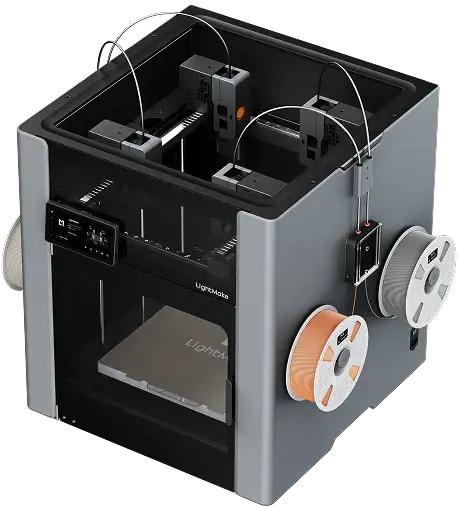
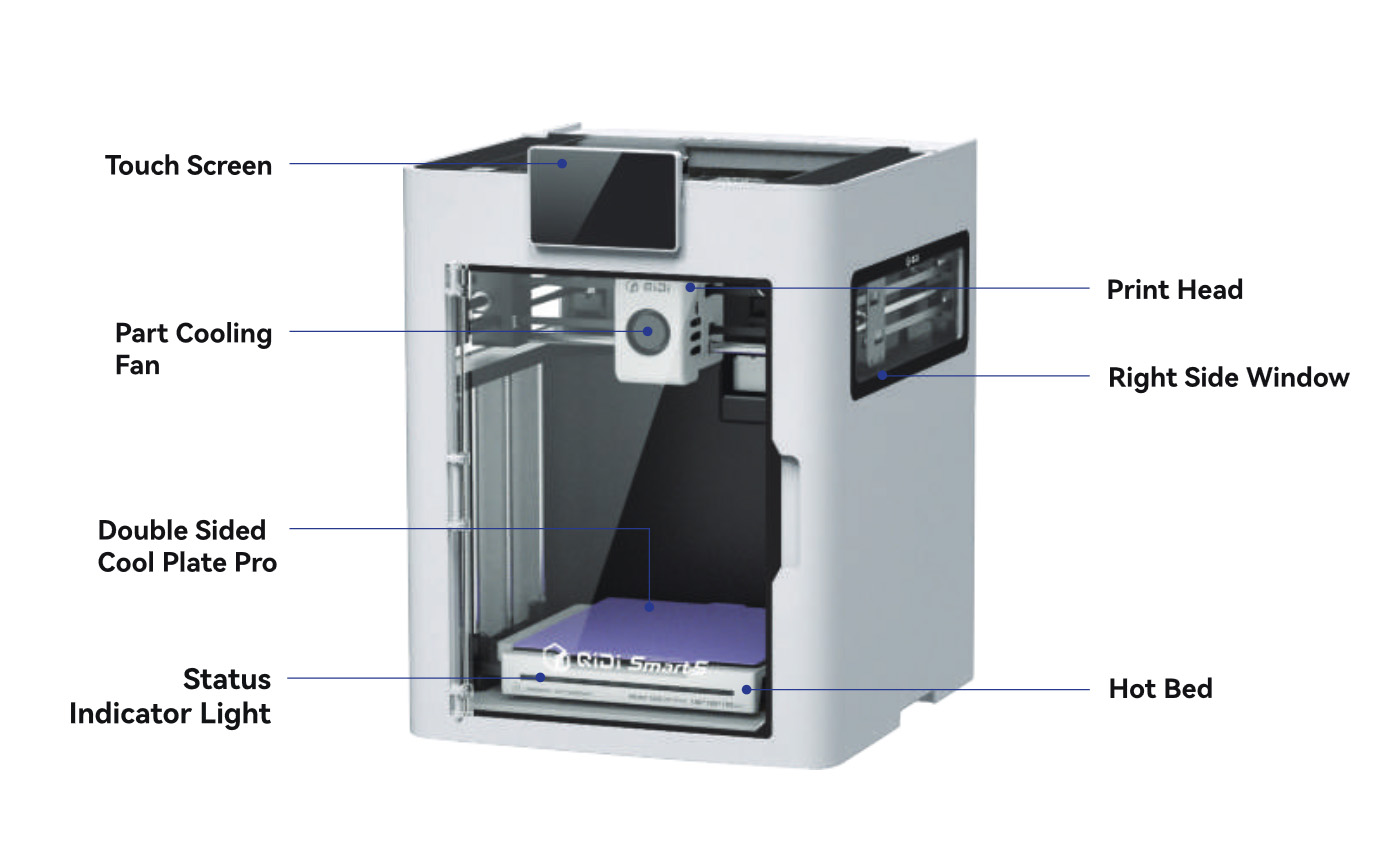
ShoeFactory offers personalization as a digital manufacturing file rather than a stocked physical product. This could reduce inventory needs and allow geometry to be adapted to individual measurements. Practical results will still depend on build volume, material flexibility, layer durability and suitable print settings.
The service does not mean that every shoe design can be safely produced on any desktop printer with ordinary filament. Customers need to check the recommended material, model requirements and intended-use limitations.